Table of Contents
- What Makes K-Beauty So Popular Worldwide
- The Innovation Behind Korean Skincare Ingredients
- Building an Effective Korean Skincare Routine
- The Science of Achieving Glass Skin
- Real Benefits of Korean Skincare for Every Skin Type
- Affordability and Accessibility: Why K-Beauty Wins
- Safety, Sustainability, and What Actually Matters
- Frequently Asked Questions
Last Updated: October 10, 2026
What Makes K-Beauty So Popular Worldwide
K-beauty popular has become a global phenomenon, reshaping how millions of people approach skincare and makeup. The movement extends far beyond a trend, it represents a fundamental shift in beauty standards and consumer expectations. At Gotcha Girl Cosmetics, we've watched K-beauty transform from a niche interest into a dominant force in the beauty industry, and the reasons behind this surge are worth understanding.
K-beauty products deliver visible results through innovation rather than heavy marketing. Consumers achieve the coveted "glass skin" aesthetic, a luminous, poreless, deeply hydrated complexion, without expensive or complicated regimens.
K-beauty popular appeal ties to Korean entertainment and fashion creating global demand. Social media amplified this, turning products into viral sensations; a single influencer post can drive thousands of purchases.
Korean cosmetic scientists pioneered snail mucin, PDRN, and fermented botanicals backed by visible results. This combination of scientific credibility and dramatic outcomes created loyal advocates.

| Factor | Impact | Example |
|---|---|---|
| Innovation | Novel ingredients & formulations | Snail mucin, PDRN, fermented extracts |
| Cultural influence | Global K-pop and entertainment appeal | Viral social media moments |
| Affordability | Premium results at accessible prices | Quality products under $50 |
| Accessibility | Easy online ordering globally | Direct-to-consumer brands |
| Visible results | Achievable glass skin aesthetic | Hydration, radiance, clarity |
The Innovation Behind Korean Skincare Ingredients
Korean skincare succeeded through heavy investment in cosmetic science. However, not every viral ingredient is equally supported by evidence; understanding marketing versus research reality is essential.
Snail Mucin: What Research Shows
Snail mucin delivers measurable hydration through glycoproteins and hyaluronic acid that bind water to skin. Consumer reports and dermatologist observations support its hydrating effect, though the research base is limited compared to hyaluronic acid or niacinamide. Claims about "skin repair" or "collagen stimulation" go beyond current evidence. Snail mucin is generally well-tolerated for sensitive or acne-prone skin, though patch testing is wise for anyone with shellfish allergies.

PDRN and Marine Actives: Emerging Evidence
PDRN (polydeoxyribonucleotide), derived from fish sperm or salmon roe, is marketed for skin repair and brightening. Some clinical studies show modest improvements in skin elasticity and hydration over 4-8 weeks, but evidence is still emerging with small sample sizes. Treat PDRN as "promising" rather than "proven."
Fermented Botanicals: Traditional Knowledge Meets Modern Formulation
Fermentation breaks down plant compounds into smaller molecules the skin absorbs more readily, amplifying hydrating and antioxidant properties (pubmed.ncbi.nlm.nih.gov). Fermented rice bran contains well-documented B vitamins and antioxidants; ginseng shows consistent benefits for elasticity and circulation. Quality varies by fermentation time, bacterial strains, and preservation methods.
Evaluating Ingredient Claims: A Framework
Ask three questions: (1) Is the mechanism plausible? (2) Do multiple independent sources report visible results? (3) Is concentration disclosed and likely effective? Snail mucin typically appears high in ingredient lists; PDRN often appears lower. Transparency indicates confidence in formulation. Innovative brands publish third-party testing or cite peer-reviewed research; brands relying on before-and-after photos prioritize hype over evidence.
Building an Effective Korean Skincare Routine
A Korean skincare routine isn't complicated despite social media suggestions. Most people achieve visible results with 4-5 products applied consistently, though some need fewer and others benefit from targeted additions.
The Core Routine: What Everyone Needs
Start with double cleansing: an oil cleanser to remove makeup, sunscreen, and sebum, followed by a water-based cleanser. This removes the barrier between skin and active ingredients, improving absorption and preventing congestion.
A hydrating essence or toner preps skin to receive treatment products. Unlike Western toners, K-beauty essences are hydrating liquids that improve absorption.
Serums deliver active ingredients targeting specific concerns: brightening, anti-aging, acne control, or barrier repair. Skip serums if your skin is sensitive or if your moisturizer already contains needed actives.
Moisturizer locks everything in. Apply while skin is slightly damp to maximize absorption.
Finally, sunscreen protects against UV damage, the primary cause of premature aging (the American Academy of Dermatology). Use at least 1/4 teaspoon for your face, and reapply every two hours if you're outdoors (the American Academy of Dermatology).
Routine by Skin Type and Budget
Oily or Acne-Prone Skin ($30-50/month): Start with double cleanse, lightweight hydrating toner, niacinamide or salicylic acid serum (2-3 times weekly), lightweight gel moisturizer, and sunscreen. Skip heavy creams and fermented extracts. Proper hydration reduces breakouts.
Dry Skin ($40-70/month): Layer a hydrating toner, hydrating serum (hyaluronic acid or snail mucin), richer moisturizer, and optional occlusive final layer like a sleeping mask (2-3 times weekly). Double cleanse with gentle oil cleanser.
Sensitive Skin ($35-60/month): Focus on barrier support, not active ingredients. Double cleanse gently, apply hydrating toner, use barrier-supporting moisturizer with ceramides or centella asiatica, and sunscreen. Avoid strong actives unless skin is stable.
Combination Skin ($40-65/month): Use a gentle cleanser, hydrating toner, lightweight serums in your T-zone, and richer products on dry zones. Apply lightweight gel moisturizer on oily areas and richer cream on dry areas.
Mature Skin ($50-85/month): Layer a hydrating toner, peptide or PDRN serum ($20-35), moisturizer with retinol or niacinamide, and sunscreen. Add collagen masks 1-2 times weekly. Introduce retinol slowly (1-2 times weekly) to avoid irritation.
DermaGlow™ 5PC Korean Collagen Peel-Off Mask – Elasticity Boost & Deep →
Most dermatologists recommend 3-5 steps as sufficient. A minimal routine: cleanser, moisturizer, sunscreen. A moderate routine adds hydrating toner and targeted serum. More steps aren't inherently better, consistency and choosing the right products matter most.
A basic routine costs $30-50 monthly; moderate runs $50-85; elaborate reaches $100-150. If budget is tight, prioritize cleanser, moisturizer, and sunscreen. Many see excellent results with just these three.
Patch Testing and Adjustment
Introduce new products one at a time, waiting 1-2 weeks between additions to identify any irritation. If you experience redness, itching, or breakouts, discontinue the new product and return to your previous routine.
The Science of Achieving Glass Skin
Glass skin is a smooth, clear, radiant complexion. Achieving it requires hydration (which plumps skin and minimizes pores), barrier health (which prevents water loss), and light reflection (which happens when skin is smooth and luminous).
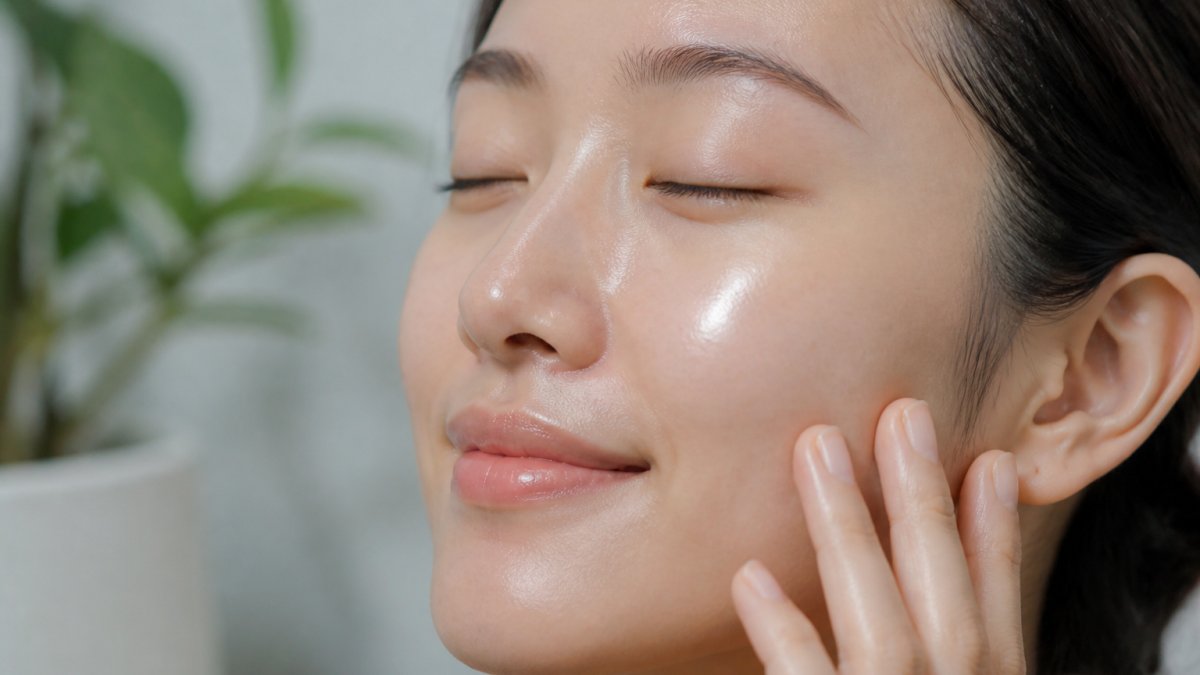
K-beauty excels at all three through multi-step routines that flood skin with hydration. Hyaluronic acid, glycerin, and snail mucin work synergistically to draw and maintain water, transforming skin texture visibly.
Barrier health depends on niacinamide, ceramides, and peptides that strengthen the natural lipid layer, reducing sensitivity and preventing moisture loss.
Light reflection improves as skin becomes smoother and more even-toned. Brightening ingredients like vitamin C and niacinamide reduce dark spots. The DermaGlow™ 5PC Korean Collagen Peel-Off Mask ($98.70) accelerates this by removing dead skin cells and boosting collagen production.

Real Benefits of Korean Skincare for Every Skin Type
K-beauty popular products work across skin types because they're formulated with balance in mind. Dehydrated skin produces excess oil to compensate; proper hydration reduces oil production and breakouts.
Dry skin benefits immediately from K-beauty's hydration focus. Snail mucin and hyaluronic acid provide relief without heaviness, encouraging adequate moisturizing.
Sensitive skin responds well to K-beauty's emphasis on soothing, barrier-supporting ingredients like centella asiatica, panthenol, and allantoin that calm irritation without triggering reactions.
Combination skin benefits from K-beauty's modular approach, using lightweight serums in oily zones and richer moisturizers on dry areas, something Western skincare rarely accommodates.
Mature skin finds anti-aging support through K-beauty's focus on hydration and collagen support. Fine lines soften dramatically when skin is properly hydrated. Ingredients like peptides and PDRN support skin firmness and elasticity without requiring invasive procedures. The collagen peel-off masks offer weekly boosts that many people in their 30s and 40s find transformative.
Affordability and Accessibility: Why K-Beauty Wins
Price accessibility is a cornerstone of why K-beauty popular brands dominate. A high-quality Korean serum costs $15-30. Comparable Western serums from luxury brands run $60-120. This isn't because Korean products are inferior, it's because Korean brands operate with leaner marketing budgets and direct-to-consumer models that eliminate middlemen.
Accessibility extends beyond price. K-beauty brands ship globally, making it easy to order from anywhere. Online retailers stock Korean products extensively, so you're not limited to specialty boutiques. This democratization of beauty, making premium skincare available to anyone with an internet connection, fundamentally changed consumer expectations.
The value proposition is unbeatable when you compare results. The ingredient quality and formulation sophistication justify the lower price through volume and efficiency.
Gotcha Girl Cosmetics brings this same philosophy to our customers. We curate K-beauty-inspired products and make them accessible at prices that don't require choosing between skincare and other necessities. Our snail mucin moisturizer and hyaluronic acid essence deliver intense hydration.
Safety, Sustainability, and What Actually Matters
K-beauty's rapid growth raised legitimate questions about safety and regulation. Korean cosmetics are regulated by the Korea Food and Drug Administration, which maintains rigorous safety standards comparable to the FDA. This means K-beauty products undergo testing for harmful substances, proper labeling, and manufacturing standards before reaching consumers.
That said, not all K-beauty products are created equal. Some brands prioritize innovation over sustainability, using excessive packaging and ingredients sourced without ethical consideration. This is where conscious consumers need to evaluate individual brands rather than assuming all K-beauty is automatically sustainable or safe.
Look for certifications and transparency. Cruelty-free certifications, sustainable sourcing claims, and clean ingredient lists matter. Gotcha Girl Cosmetics prioritizes ethically sourced ingredients and sustainable packaging because we believe K-beauty's future depends on responsible practices. Our products are free from harmful chemicals and toxins, supporting both your skin health and environmental responsibility.
Sustainability in K-beauty means examining the entire product lifecycle. Refillable containers, biodegradable formulations, and minimal packaging represent the direction the industry is moving. Some K-beauty brands lead here; others lag. As a consumer, you have the power to support brands that align with your values.
The real measure of a K-beauty product isn't hype, it's whether it delivers results safely and responsibly. Viral products matter less than consistent, evidence-based formulations that work for your specific skin type and concerns. This is where the best K-beauty brands distinguish themselves from trend-chasing competitors.
K-beauty's global popularity isn't a passing trend, it reflects genuine innovation in skincare science, realistic pricing, and a philosophy that prioritizes visible results. The movement has democratized access to professional-grade skincare, making it possible for anyone to achieve glass skin regardless of budget. At Gotcha Girl Cosmetics, we've embraced K-beauty principles because we believe every woman deserves effective skincare that doesn't compromise on quality, ethics, or affordability. Explore our collection of Korean-inspired essentials, from our snail mucin moisturizer to our collagen peel-off masks, and discover why millions of people worldwide have made K-beauty their skincare foundation. Shop our curated selection and reveal your inner glow with products designed for real results.
Frequently Asked Questions
Why is K-beauty so popular compared to other skincare brands?
K-beauty dominates because it combines visible innovation with affordability. Korean brands invest heavily in cosmetic science, snail mucin, hyaluronic acid, and PDRN are now global standards, while keeping prices accessible. The focus on hydration and skin barrier health delivers results people can see. Social media amplified this. The emphasis on achieving glowing, radiant skin rather than heavy coverage aligns with current beauty standards across generations.
What are the main benefits of Korean skincare for sensitive or acne-prone skin?
Korean skincare prioritizes hydration and skin barrier repair, which calms irritation instead of stripping it. Snail mucin soothes redness and supports healing. Hyaluronic acid and glycerin maintain moisture without clogging pores. Many K-beauty formulas skip harsh actives in favor of gentle, layered hydration, the multi-step routine means you're adding nourishment, not just treating problems. This approach works for acne-prone skin because a healthy barrier reduces inflammation and sensitivity. Products like the Snail Mucin 97% Daily Face Moisturizer are specifically formulated to calm and repair without heavy oils.
Do you really need a 10-step Korean skincare routine to see results?
No. The 10-step routine is a framework, not a requirement. Most people see significant results with 4-5 steps: cleanser, essence or serum, moisturizer, and sunscreen. The multi-step philosophy works because each product targets specific needs, hydration, brightening, barrier repair, but you can adapt it to your skin and schedule. Starting with a hydrating serum like HydraGlow™ Hyaluronic Acid Facial Essence and a quality moisturizer already delivers the core benefit: plump, radiant skin. Add treatments like masks or targeted serums only if your skin needs them.
How do I know if a K-beauty product is actually cruelty-free and sustainable?
Look for third-party certifications: PETA, Leaping Bunny, or similar organizations verify cruelty-free claims. Check the brand's transparency, do they publish ingredient sourcing, manufacturing practices, or sustainability reports? Gotcha Girl Cosmetics prioritizes ethically sourced ingredients and sustainable packaging, and products are dermatologist-tested and free from parabens and harsh chemicals. If a brand makes sustainability claims without backing them up, that's a red flag. Real commitment shows in certifications, transparent supply chains, and honest communication about what they do and don't do.