Table of Contents
- Understanding Dehydrated Skin: Signs and Causes
- Dry Skin vs. Dehydrated Skin: What's the Difference?
- Step 1: Cleanse Without Stripping Your Skin
- Step 2: Choose the Right Ingredients for Dehydrated Skin
- Your Complete Dehydrated Skin Routine: Morning and Evening
- How Long Does It Take to Rehydrate Skin?
-
Common Mistakes to Avoid
- Mistake 1: Using Hot Water
- Mistake 2: Over-Exfoliating
- Mistake 3: Skipping Moisturizer Because Skin Feels Oily
- Mistake 4: Layering Too Many Products
- Mistake 5: Applying to Dry Skin
- Mistake 6: Rushing Between Steps
- Mistake 7: Ignoring Alcohol and Fragrance
- Mistake 8: Changing Products Too Often
- Troubleshooting: When It Still Isn't Working
- Frequently Asked Questions
Last Updated: October 9, 2026
Understanding Dehydrated Skin: Signs and Causes
Dehydrated skin lacks water in its outer layers, leaving it tight, flaky, and uncomfortable, and knowing how to fix dehydrated skin is straightforward once you understand the cause. Unlike dry skin, a genetic skin type, dehydration is a temporary condition anyone can experience, and it's fixable.
Dehydration happens when your skin barrier stops holding moisture effectively, even oily skin can become dehydrated, and once you know the cause, you can reverse it.
Common Signs of Dehydrated Skin
Look for these telltale markers:
- Tightness, Your skin feels stretched, especially after cleansing
- Dullness, Your complexion looks tired and lacks radiance
- Flaking, Visible dry patches, sometimes with a rough texture
- Fine lines, Dehydration makes wrinkles appear more pronounced
- Sensitivity, Your skin reacts to products that normally don't bother you
- Itching or discomfort, A persistent urge to scratch or adjust your face
The easiest test: pinch your cheek gently. If your skin doesn't bounce back quickly, dehydration is likely the culprit.
What Triggers Dehydration
Several factors drain water from your skin:
- Hot water, Strips away natural oils that lock in moisture
- Harsh cleansers, Sulfate-heavy formulas damage your barrier
- Over-exfoliation, Scrubbing too often removes protective layers
- Environmental stress, Cold air, low humidity, and heating systems pull moisture out
- Certain ingredients, Alcohol and some actives can be drying
- Skipping moisturizer, Without an occlusive layer, water evaporates
- Not drinking enough water, Internal hydration supports skin health
When your barrier is compromised, water escapes. To fix dehydrated skin, you need to repair that barrier and lock moisture back in.
Dry Skin vs. Dehydrated Skin: What's the Difference?
This distinction matters because the fixes differ.
Dry skin is a genetic skin type: your skin produces less sebum (oil), permanently. It needs rich moisturizers and nourishing oils.
Dehydrated skin is a condition that develops over time, your skin type hasn't changed, it's just missing water. The fix is hydration-focused products that draw water in and seal it there.
You might have oily skin that's also dehydrated, or dry skin that gets more dehydrated in winter.
Step 1: Cleanse Without Stripping Your Skin
This is where most dehydration fixes fail: the wrong cleanser undoes all your progress. Skip hot water entirely, it strips the oils protecting your barrier. Use lukewarm water.
Choose a non-stripping cleanser. Look for:
- Sulfate-free formulas
- Creamy or milky textures
- Labels mentioning "gentle" or "hydrating"
- Avoid foaming cleansers, they're usually too harsh
A good cleanser removes dirt and makeup without leaving skin squeaky; if your face feels tight after washing, it's too strong. Cleanse once in the morning and once at night, extra washing worsens dehydration. Pat dry gently; rubbing irritates your barrier further.
Step 2: Choose the Right Ingredients for Dehydrated Skin
Not all moisturizers work the same way. Understanding ingredient categories helps you build an effective routine.
Hyaluronic Acid and Humectants
Hyaluronic acid is a humectant that pulls water into your skin and holds up to 1,000 times its weight in water, making it essential for dehydrated skin.
Humectants work best on damp skin, apply right after cleansing so they draw that moisture deeper.
The HydraGlow™ Hyaluronic Acid Facial Essence from Gotcha Girl Cosmetics is designed for this exact purpose. It delivers hyaluronic acid plus vitamin C and plant extracts. Apply a few drops to damp skin, pressing gently upward.

Other humectants include:
- Glycerin
- Aloe
- Rose water
- Panthenol
Layer humectants first, then seal with an occlusive.
Emollients and Occlusives
Emollients (oils and butters) smooth skin and fill gaps between cells. Occlusives (petroleum jelly, silicones, waxes) create a protective layer that stops water escaping. Without them, hydrating serums evaporate within minutes.
The Snail Mucin 97% Daily Face Moisturizer Cream combines hydration with a nourishing base. Snail mucin is both humectant and skin-soothing.
The Tallow Honey Balm™ is a rich occlusive option. Grass-fed beef tallow mimics your skin's natural oils. Raw honey adds hydration.
Your Complete Dehydrated Skin Routine: Morning and Evening
A structured routine prevents guesswork and ensures correct layering.
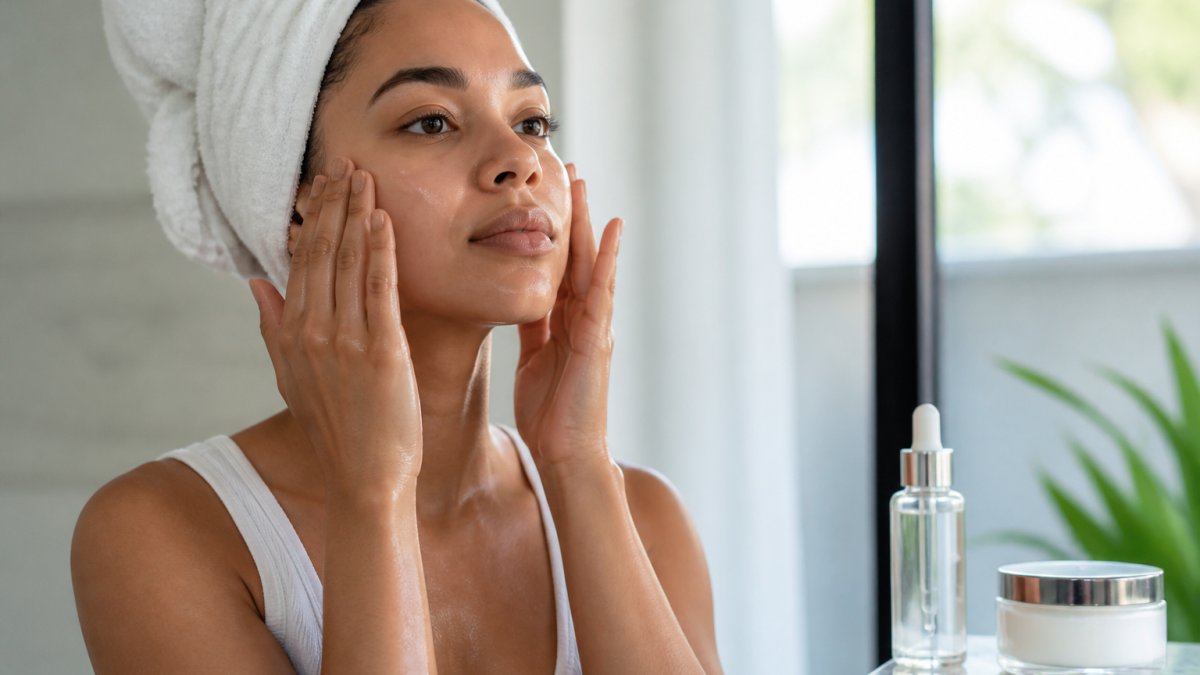
Morning Routine
Step 1: Cleanse (1 minute) Use lukewarm water and a gentle, sulfate-free cleanser. Pat dry, leaving skin slightly damp.
Step 2: Apply hydrating serum (2 minutes) On damp skin, apply 3-4 drops of HydraGlow™ Hyaluronic Acid Facial Essence, pressing upward. Wait 30 seconds.
Step 3: Moisturize (2 minutes) Apply a pea-sized amount of Snail Mucin 97% Daily Face Moisturizer Cream, warmed between palms, to seal in the serum.

Step 4: Sunscreen (2 minutes) Apply SPF 30 or higher to protect your healing barrier from UV damage.
Total time: 7 minutes
Evening Routine
Step 1: Cleanse (1 minute) Same as morning: lukewarm water, gentle cleanser, pat dry.
HydraGlow™ Hyaluronic Acid Facial Essence – Deep Moisture Korean Skin Serum →
Step 2: Apply hydrating serum (2 minutes) Apply HydraGlow™ to damp skin, same technique as morning.
Step 3: Moisturize (2 minutes) Apply Snail Mucin 97% Daily Face Moisturizer Cream, slightly more than in the morning since there's no sunscreen underneath.
Total time: 9 minutes
| Step | Product | Time | Frequency |
|---|---|---|---|
| Cleanse | Gentle cleanser | 1 min | 2x daily |
| Hydrate | HydraGlow™ Essence | 2 min | 2x daily |
| Moisturize | Snail Mucin Cream | 2 min | 2x daily |
| Seal (night only) | Tallow Honey Balm™ | 2 min | 1x daily |
How Long Does It Take to Rehydrate Skin?
Timelines are the most-asked question and the most-answered badly. Here's a realistic, staged picture, plus how to tell whether what you're seeing is dehydration resolving or something else.
A Realistic Recovery Timeline
Days 1-3: Comfort returns first. The tight, stretched feeling after cleansing should ease, the fastest signal, since it reflects surface water content.
Days 4-10: Flaking and dullness lift. Dead surface cells rehydrate and shed normally, and fine lines soften as plump cells reflect light better, when people notice "glow" returning.
Weeks 4-8: Full recovery for a compromised barrier. If dehydration came from over-exfoliation, harsh actives, or cold weather, complete lipid barrier recovery takes this long.
How to Track Progress (Not Just Guess)
Subjective "my skin feels better" is unreliable, it fluctuates with humidity, sleep, and stress. Track these instead:
- The 10-minute test. After cleansing, note how long until skin feels tight. Log it weekly; a lengthening window is objective evidence of improvement.
- Photograph in consistent light. Same window, same time, no makeup or filter. Compare weekly, not daily.
- Count flare days. Note days your skin stings, flakes, or reacts. A declining count over four weeks beats any single good day.
- Watch the rebound. If moisturizer absorbs and skin feels dry within an hour, the barrier is still leaking. When that window stretches to hours, you're healing.
Dehydration vs. a Damaged Barrier vs. a Medical Condition
These overlap, and the wrong read sends you down the wrong routine.
Dehydration is a water-content problem: dull skin, tightness, and fine lines that plump up after moisturizer. It responds to humectants plus a seal within days.
A damaged barrier is a lipid problem: stinging from products that never used to sting, redness, and reactive breakouts, often after over-exfoliation, retinol overuse, or harsh cleansers.
A medical condition is the category people miss.
When to Stop Self-Treating and See a Professional
Book an appointment with a dermatologist or primary care provider if any of the following apply:
- No improvement after four to six weeks of a consistent, gentle routine
- Pain, swelling, oozing, or crusting
- Widespread redness or a rash that spreads
- Symptoms that interfere with sleep
- Signs of infection, such as warmth, pus, or fever
- A new or changing lesion you can't explain
Common Mistakes to Avoid
Most dehydration advice lists the same errors but skips why each backfires. Here's the mechanism behind each mistake.
Mistake 1: Using Hot Water
Hot water doesn't just "strip oils", it dissolves the intercellular lipids that cement skin cells together and keep water from evaporating. Switch to lukewarm and shorten showers; it's the fastest change most people can make.
Mistake 2: Over-Exfoliating
Exfoliation removes the outermost layer of dead cells, part of your barrier. On a dehydrated face, you're removing the very structure holding water in. Pause exfoliation for two to three weeks, then resume once weekly and back off if the tightness test worsens.
Mistake 3: Skipping Moisturizer Because Skin Feels Oily
This is the most common logic error. Oily skin can be dehydrated, oil does not equal water. Sebum is an occlusive, not a humectant: it slows water loss but doesn't add water. Dehydrated oily skin needs a humectant to draw water in and a lightweight moisturizer to hold it.
Mistake 4: Layering Too Many Products
A ten-step routine isn't more hydrating, it's more chances for irritation. When skin is reactive, strip back to cleanser, one hydrating layer, and one moisturizer, and add nothing new until skin is calm.
Mistake 5: Applying to Dry Skin
Humectants like hyaluronic acid and glycerin need water to pull from. On bone-dry skin in a dry environment, they can pull moisture from your deeper layers instead, leaving you tighter. Apply to damp skin and always seal with moisturizer.
Mistake 6: Rushing Between Steps
Give each layer 30-60 seconds, it lets water-based products absorb before an occlusive seals over them. Sealing too fast traps product on the surface instead of in the skin.
Mistake 7: Ignoring Alcohol and Fragrance
Denatured alcohol and high concentrations of fragrance are common irritants, especially on a compromised barrier. Check toners, essences, and "refreshing" mists. During recovery, choose fragrance-free and alcohol-free formulas.
Mistake 8: Changing Products Too Often
Give any routine two to three weeks before judging it. Skin turnover and barrier repair operate on that timescale. Switching every few days means you never learn what's working.
Troubleshooting: When It Still Isn't Working
If products sting or burn. Stop everything except a gentle cleanser and a plain, fragrance-free moisturizer or occlusive, stinging usually means a damaged barrier, not dehydration alone.
If you suspect a product reaction. Patch test on your inner forearm for two to three days before putting anything new on your face.
If nothing works after four to six weeks. Stop experimenting and see a dermatologist. Persistent symptoms can indicate a barrier disorder, eczema, or another condition that needs diagnosis rather than another serum.
Frequently Asked Questions
What are the main signs of dehydrated skin?
Dehydrated skin typically shows tightness, dullness, fine lines, and flaking. Your skin may feel uncomfortable even after moisturizing, appear less plump than usual, and show increased sensitivity. Unlike dry skin, dehydrated skin lacks water content but may still produce oil, making it feel both tight and oily simultaneously.
How long does it take to fix dehydrated skin?
Most people notice improvement within 3-7 days of consistent hydration, with more significant results appearing after 2-4 weeks. The timeline depends on dehydration severity, your skin barrier condition, and product consistency. Track progress by noting reduced tightness and improved skin texture. Patience and daily routine adherence matter more than expecting overnight results.
Can you have dehydrated skin if you have oily skin?
Yes, absolutely. Oily, dehydrated skin occurs when your skin barrier is compromised and loses water content while still producing excess sebum to compensate. This combination feels frustrating, greasy yet tight. Hydrating ingredients like hyaluronic acid address the water loss without adding oil, making them ideal for this skin type.
What ingredients should I look for to fix dehydrated skin?
Prioritize hyaluronic acid, glycerin, and other humectants that draw moisture into skin. Follow with emollients like snail mucin and occlusives such as petroleum jelly or natural oils to seal in hydration. Avoid alcohol and sulfates, which strip moisture. The HydraGlow™ Hyaluronic Acid Facial Essence ($24.99) pairs well with the Snail Mucin 97% Daily Face Moisturizer Cream ($42.99) for layered hydration.