Table of Contents
- The Sustainability Question: What K-Beauty Claims vs. What It Delivers
- Where K-Beauty Falls Short: Packaging Waste and Lifecycle Impact
- How to Verify Sustainable Skincare Claims Without Getting Fooled
- Refillable Korean Skincare: A Real Step Forward
- Building a Low-Waste Skincare Routine That Actually Works
- Is K-Beauty Sustainable Compared to Other Markets?
- What Brands Are Actually Doing Better
- The Bottom Line: How to Shop K-Beauty More Responsibly
- Frequently Asked Questions
Last Updated: October 6, 2026
The Sustainability Question: What K-Beauty Claims vs. What It Delivers
Is K-beauty actually sustainable? The answer is more complicated than the marketing suggests. Korean skincare brands have built their reputation on innovation, affordability, and results, but sustainability claims often outpace the reality behind them.
The K-beauty industry markets itself as eco-conscious and ingredient-forward. Brands emphasize natural formulations, ethical sourcing, and minimalist philosophy. Yet when you examine the full lifecycle, from manufacturing through packaging to disposal, the picture becomes murkier.
At Gotcha Girl Cosmetics, we've spent time analyzing what "sustainable K-beauty" actually means and where the gaps lie.

The core issue isn't that K-beauty can't be sustainable. It's that the industry conflates ingredient quality with environmental responsibility. A product with natural, responsibly sourced ingredients still generates waste through its packaging, manufacturing, and distribution.
Where K-Beauty Falls Short: Packaging Waste and Lifecycle Impact
K-beauty's biggest environmental weakness is packaging. The aesthetic, layered packaging that makes Korean skincare feel premium also makes it wasteful.
The Packaging Problem
Most K-beauty products arrive in multiple layers: an outer cardboard box, an inner plastic case, a glass or plastic bottle, and often a secondary protective layer. This isn't accidental, it reflects the Korean market's emphasis on gift-giving and unboxing experience.
The recyclability of these materials varies. Glass containers are theoretically recyclable, but many consumers don't recycle them. Plastic components often contain mixed materials that contamination-sensitive recycling facilities reject. Cardboard boxes with plastic windows complicate sorting.
Refillable options exist but remain niche. Some Korean brands offer refill packs for popular products, reducing packaging per unit by 30-50%. Yet refills typically cost only slightly less than full products, limiting adoption. Most consumers still buy new packaging with each purchase.
Manufacturing and Shipping Footprint
Korean skincare production concentrates in manufacturing hubs with varying environmental standards. While South Korea has strict regulations, not all production facilities operate at equivalent efficiency. Water usage in formulation and manufacturing adds environmental cost that packaging alone doesn't capture.
International shipping amplifies the footprint. Most K-beauty sold outside Korea ships via air freight or ocean freight from East Asia to North America. Ocean freight is less carbon-intensive per unit but slower. Air freight is faster but significantly more carbon-heavy.
The trend toward faster shipping and direct-to-consumer models has intensified this problem. Consumers expect rapid delivery, which pushes brands toward air freight and premium logistics. Slower, lower-impact shipping options exist but don't align with market expectations.
How to Verify Sustainable Skincare Claims Without Getting Fooled
Greenwashing is rampant in the skincare industry. Brands use terms like "natural," "eco-friendly," and "sustainable" without standardized definitions or third-party verification.
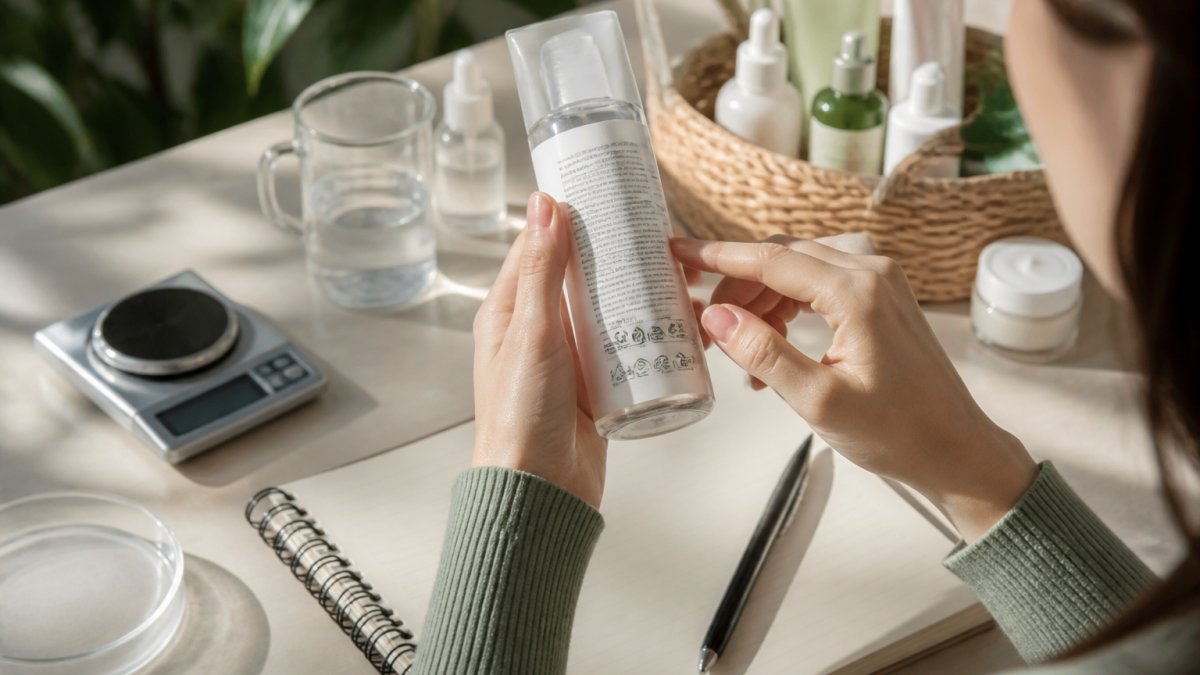
Red Flags for Greenwashing
Watch for vague language. Phrases like "made with natural ingredients" or "eco-conscious" sound good but mean little without specifics. A product can contain 1% natural ingredients and claim the rest.
Single-ingredient marketing is another red flag. Brands highlight one sustainable element, responsibly sourced snail mucin, for example, while ignoring packaging waste or manufacturing impact. This creates a false halo effect where one good practice obscures overall mediocrity.
Absence of third-party certification is telling. If a brand claims sustainability but hasn't pursued recognized certifications, ask why. Legitimate certifications cost money and require compliance audits. Brands serious about sustainability pursue them.
Look for vague sourcing claims. "Ethically sourced" without naming suppliers or verification methods is meaningless. Genuine ethical sourcing includes transparency: which farms, which certifications, which standards.
What Real Certifications Look Like
Legitimate certifications come from third parties and require ongoing compliance. Look for these:
Cruelty-Free Certifications: Leaping Bunny and PETA certifications verify that products and ingredients weren't tested on animals. These require ingredient supplier audits and independent monitoring. They're expensive to maintain, so brands that hold them are genuinely committed.
Natural and Organic Certifications: ECOCERT and COSMOS certifications verify ingredient sourcing and manufacturing standards. They require documentation of supply chains and exclude synthetic chemicals above threshold levels. These certifications are rigorous and regularly audited.
Sustainable Packaging Certifications: FSC certification on cardboard indicates responsibly managed forestry. Recycled content certifications verify the percentage of recycled material in packaging. These are specific and verifiable, ask for the certification number if a brand claims them.
Fair Trade Certifications: Fair Trade USA and similar bodies verify that agricultural ingredients are sourced from farms meeting labor and environmental standards. This adds cost but ensures workers and ecosystems benefit from the supply chain.
Real certifications list specific standards, audit frequency, and certificate numbers. If a brand claims certification but can't provide these details, it's likely fabricated.
Refillable Korean Skincare: A Real Step Forward
Refillable packaging is one of the few genuine sustainability improvements gaining traction in K-beauty. It reduces waste per use while maintaining the brand experience.
Refill systems work best for high-volume products. Toners, essences, and moisturizers are ideal candidates because consumers use them daily and repurchase frequently.
Korean brands like Amorepacific and some smaller players have launched refill programs. The economics work: refills cost less to produce and ship, so brands can price them lower while maintaining margin. Consumers see cost savings and environmental benefit simultaneously.
The barrier is consumer behavior. Refill programs require customers to keep original containers and return for refills. This works in physical retail but struggles in e-commerce.
Gotcha Girl Cosmetics products like our Snail Mucin 97% Daily Face Moisturizer Cream are formulated to deliver results.

Building a Low-Waste Skincare Routine That Actually Works
The most sustainable skincare routine is one you'll actually use. Abandoned products waste more resources than any packaging choice.
Start with Fewer Products
Minimalist routines reduce waste by design. Most skin concerns improve with 3-5 core products: cleanser, toner or essence, treatment serum, moisturizer, and sunscreen. K-beauty's multi-step philosophy encourages 7-10+ products, but this isn't necessary for results.
Fewer products mean less packaging, lower shipping volume, and reduced manufacturing impact. They also cost less and simplify decision-making. A focused routine with products you actually use beats a complex routine where half the bottles expire unused.
Snail Mucin 97% Daily Face Moisturizer Cream, High Potency Moisturizing Cream →
Start with a cleanser and moisturizer. Add one treatment product targeting your specific concern, hydration, brightening, or calming. Use these consistently for 4-6 weeks before adding more. This approach lets you evaluate what your skin actually needs rather than chasing every trend.
Choose Concentrated Formulas
Product concentration matters for sustainability. A highly concentrated serum delivers more active ingredients per milliliter, meaning smaller bottles last longer. Our HydraGlow™ Hyaluronic Acid Facial Essence is designed as a concentrated formula, so a small amount goes far. This reduces packaging frequency and overall consumption.

Dilute formulas require larger volumes to deliver results, increasing packaging waste and shipping weight. Check product concentration on ingredient lists, active ingredients listed first indicate higher concentration. Serums and essences should have active ingredients in the top 3-5 positions.
Verify Ingredient Sourcing
Responsible sourcing reduces environmental impact upstream. Ask brands for sourcing documentation: which farms supply key ingredients, what certifications do those farms hold, what environmental practices do they follow.
Ingredients like snail mucin, niacinamide, and hyaluronic acid can come from various sources with different environmental footprints. Snail mucin harvested from farms meeting animal welfare and environmental standards has lower impact than poorly regulated production. Niacinamide synthesized using renewable energy differs from petrochemical synthesis.
Most brands won't provide this level of detail voluntarily. Email and ask. Brands serious about sustainability have this documentation. Those that don't are relying on ingredient marketing without substance.
Is K-Beauty Sustainable Compared to Other Markets?
K-beauty sits in the middle ground compared to other beauty markets. It's not the worst offender, but it's not a sustainability leader either.
Luxury Western beauty brands, think high-end French or Swiss skincare, often feature heavier packaging, higher price points, and similar lifecycle impacts.
Natural and indie beauty brands marketed as sustainable sometimes outperform K-beauty on packaging but underperform on ingredient efficacy or affordability. Trade-offs exist everywhere.
The fairest comparison is K-beauty versus mass-market Western skincare. K-beauty typically uses more concentrated actives, meaning smaller product volumes achieve results. This is a genuine sustainability advantage.
Overall, K-beauty is moderately sustainable, better than some Western luxury brands, worse than dedicated sustainable indie brands, comparable to mass-market alternatives. The gap between claims and reality is the real problem.
What Brands Are Actually Doing Better
A small number of Korean brands are moving beyond greenwashing with concrete actions.
Amorepacific, the largest Korean beauty conglomerate, has committed to carbon neutrality by 2030 and published detailed sustainability reports. They've invested in renewable energy at manufacturing facilities and launched refill programs for popular products.
Smaller brands like Purito and Some By Mi have focused on minimal packaging and concentrated formulas. They've reduced packaging layers and emphasized refillable options.
Gotcha Girl Cosmetics prioritizes ethically sourced, cruelty-free ingredients and clean formulations. Products like our GlowFade™ TX Tranexamic Acid Cream are formulated to deliver results.
Transparency is the common thread. Brands doing better publish sustainability reports, name suppliers, pursue third-party certifications, and acknowledge trade-offs rather than claiming perfection. This honesty builds trust.
The Bottom Line: How to Shop K-Beauty More Responsibly
Is K-beauty actually sustainable? Partially. Some Korean brands and products genuinely minimize environmental impact. Many others use sustainability as marketing without backing it up.
Shop K-beauty more responsibly by applying these principles:
Verify claims with certifications. Don't trust marketing language, look for third-party verification from organizations like Leaping Bunny, ECOCERT, or Fair Trade USA. If a brand claims sustainability but lacks certifications, ask why directly.
Choose concentrated formulas and minimal routines. Fewer products with higher active concentrations reduce packaging frequency and waste.
Prioritize refillable options when available. Even if refills require in-store returns, the environmental math works out. One glass bottle refilled 5 times beats five new bottles.
Research supply chains. Brands serious about sustainability document ingredient sourcing. If you can't find this information, the brand likely hasn't prioritized it.
Accept trade-offs. No product is perfectly sustainable.
At Gotcha Girl Cosmetics, we believe sustainable beauty starts with products that work, so you use them, not abandon them.
K-beauty's sustainability challenge isn't insurmountable, but it requires honest assessment and intentional shopping. By demanding transparency, choosing concentrated formulas, and supporting brands backing claims with certifications, you can reduce your impact while maintaining the results K-beauty is known for. The FTC's Green Guides on environmental marketing claims provide standards for what brands can legitimately claim.
Frequently Asked Questions
How can you tell whether a K-beauty brand is actually sustainable?
Check for third-party certifications like Leaping Bunny (cruelty-free), USDA Organic, or Fair Trade labels on packaging. Look for transparency about ingredient sourcing and manufacturing locations on the brand's website. Avoid vague claims like 'natural' or 'eco-friendly' without specific evidence. Ask yourself: does the brand explain where ingredients come from, how packaging is recyclable, or what waste reduction steps they've taken? Real sustainability requires documentation, not just marketing language.
Is Korean skincare packaging actually recyclable?
Most K-beauty packaging uses plastic or glass, which are technically recyclable, but real recyclability depends on your local infrastructure. Many cushion compacts and pump bottles contain mixed materials (plastic, metal, paper) that are difficult to separate, making them harder to recycle. Glass jars and aluminum tubes recycle more easily. Check your local recycling program's accepted materials before assuming a product is recyclable. The most sustainable option is choosing brands offering refillable containers or concentrated formulas that reduce packaging volume overall.
How can I make my skincare routine more sustainable without sacrificing results?
Start by reducing the number of products you use. Many people overconsume with 8+ step routines when 3-4 targeted products work just as well. Choose concentrated formulas like essences or serums that deliver results in smaller volumes. Look for refillable options when available, or select products in glass or aluminum packaging. Verify that ingredients are responsibly sourced by checking brand transparency statements. Quality matters more than quantity, one effective product you'll actually use beats a full routine of impulse purchases that create waste.
Why is K-beauty so cheap compared to other premium skincare brands?
Lower prices in K-beauty stem from higher production volumes, efficient manufacturing in Korea, and lower marketing costs compared to luxury Western brands. Many Korean brands skip expensive celebrity endorsements and rely on word-of-mouth and social media. However, lower price doesn't automatically mean lower quality or unsustainable practices, it often reflects smart business models rather than corners cut on ingredients or safety. That said, always verify certifications and ingredient sourcing yourself, regardless of price point. Gotcha Girl Cosmetics offers affordable Korean-inspired options like our HydraGlow™ Hyaluronic Acid Facial Essence at $24.99 without compromising on quality or ethical sourcing.