Table of Contents
- What Does Cruelty-Free Mean for Skincare Products
- How to Spot Fake Cruelty-Free Labels and Greenwashing
- Recognize Legitimate Certification Seals and Third-Party Audits
- Step-by-Step: Verify a Brand's Cruelty-Free Status
- Leaping Bunny Certified Brands List and Other Trusted Certifications
- Best Apps for Cruelty-Free Shopping and Verification
- The Difference Between Cruelty-Free and Vegan Skincare
- Verifying Cruelty-Free Status for Small and Indie Brands
- Frequently Asked Questions
Last Updated: September 23, 2026
What Does Cruelty-Free Mean for Skincare Products
Cruelty-free skincare means no animals were harmed during product development, testing, or ingredient sourcing. This includes finished products, ingredient suppliers, and parent companies. The term applies to the entire supply chain, not just the final formula.
Many brands claim cruelty-free status without real verification. Some use misleading labels that look official but carry no weight. Others hide behind vague language about their testing practices.
At Gotcha Girl Cosmetics, we prioritize transparency in how we source and develop our products.
The key distinction: cruelty-free doesn't automatically mean vegan. A product can be cruelty-free and still contain animal-derived ingredients like beeswax or lanolin. Vegan means no animal ingredients at all. Both standards matter, but they address different concerns.
How to Spot Fake Cruelty-Free Labels and Greenwashing
Greenwashing happens when brands use official-looking seals or vague language to suggest cruelty-free status without real certification. A slick logo doesn't equal legitimate verification.
Common red flags include:
- Labels that say "not tested on animals" but don't mention ingredient suppliers
- Claims like "we don't test on animals, but our suppliers might"
- Generic phrases such as "cruelty-conscious" or "animal-friendly" with no certification backing
- Logos that mimic real certifications but aren't officially recognized
- Silence about parent company ownership or supply chain practices
Real certifications use specific language. Leaping Bunny certified brands display the exact bunny logo and explain their fixed cut-off date policy. PETA certified products state their certification clearly and link to verification.
Brands that hide their parent company ownership often do so because the parent tests on animals or sells in markets requiring animal testing. Transparency about corporate structure is a trust signal.
Look for brands that publish their testing policies openly. Genuine cruelty-free companies explain their approach to ingredient safety without relying on animal testing. They also list their certification bodies by name.
Recognize Legitimate Certification Seals and Third-Party Audits
Official certification seals come from independent organizations that audit brands thoroughly. Third-party auditing adds credibility because an outside body verifies claims.
The most recognized seals include:
- Leaping Bunny: Requires fixed cut-off dates and regular audits of the entire supply chain
- PETA Certified: Verifies no animal testing in finished products or ingredients
- Choose Cruelty-Free: Audits brands and maintains a searchable database
- CCIC (Cruelty-Free Certification and Labeling Program): Tests compliance through independent verification
Each certification has specific standards. Leaping Bunny is the strictest. It requires brands to submit to unannounced audits and prove their suppliers don't test on animals. PETA certification focuses on the testing policy itself.
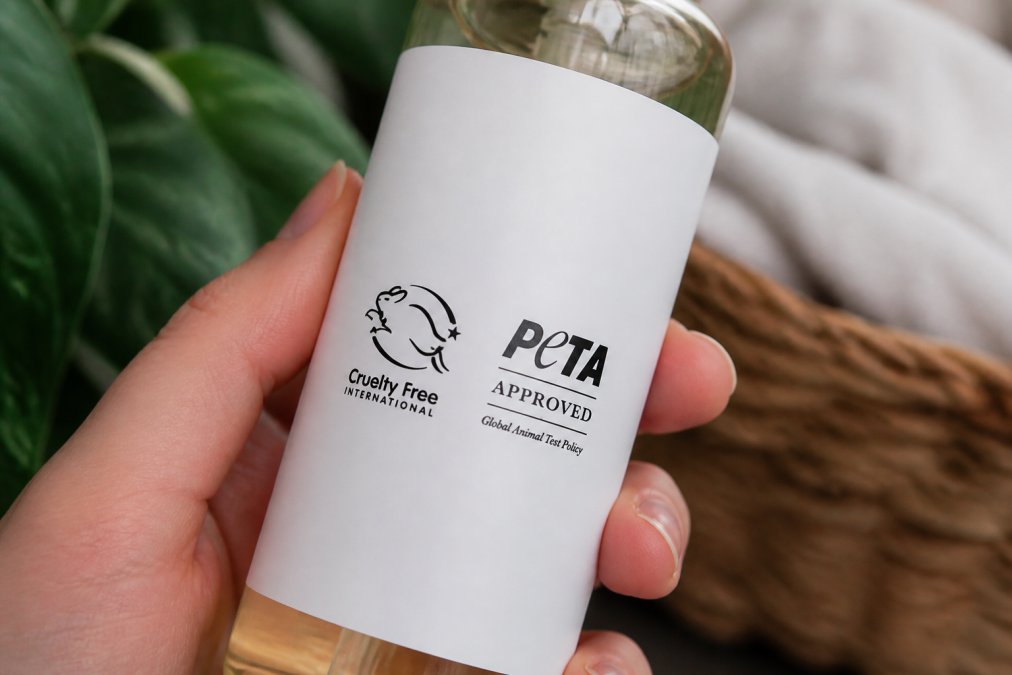
Legitimate seals always link back to the certifying organization. You can verify the certification by visiting the official website and searching the brand name. If a logo doesn't link anywhere or the brand doesn't appear in the official database, it's fake.
Third-party audits involve site visits, supply chain reviews, and documentation checks. Brands that undergo these audits publish audit reports or summaries. This transparency demonstrates commitment beyond marketing claims.
Parent company ownership matters for certification. Some certifications exclude brands owned by companies that test on animals, even if the specific brand doesn't. Check the certification body's rules about parent company requirements.
Step-by-Step: Verify a Brand's Cruelty-Free Status
Learning how to verify cruelty free skincare certifications takes minutes if you know where to look. Follow these steps in order.
Step 1: Check for Official Certification Logos
Start by examining the product packaging and brand website. Look for official logos from recognized certification bodies. Real logos are crisp, match the official design exactly, and link to the certifying organization's website.
Search the brand name on the certification body's official website. Leaping Bunny maintains a searchable directory. PETA has a certified companies list. Choose Cruelty-Free publishes their approved brands. If the brand appears in these databases, the certification is legitimate.
Take a screenshot of the search result. This proves the certification is current and verified.
Demure Mineral Blush Powder – Bold →
Step 2: Research the Brand's Testing Policy and Supply Chain
Visit the brand's official website and find their testing policy page. Legitimate brands explain exactly how they ensure cruelty-free status. They address three areas: finished product testing, ingredient testing, and supplier practices.
A solid testing policy states:
- No animal testing of finished products
- No animal testing of ingredients
- No suppliers that test on animals
- How they verify supplier compliance
Email the brand directly if their website doesn't answer these questions. Ask specifically about their testing policy and supply chain. Genuine cruelty-free brands respond quickly with detailed answers.
Check whether the brand sells in markets that require animal testing. China's regulations historically required animal testing for imported cosmetics, though this has changed. Brands that sell in countries with mandatory animal testing may not be truly cruelty-free.
Step 3: Verify Fixed Cut-Off Dates and Parent Company Ownership
Fixed cut-off dates matter for certification. This is the date before which animal testing was permitted. Leaping Bunny certified brands must have a clear fixed cut-off date and prove no testing occurred after that date.
Find the brand's fixed cut-off date on their website or certification body listing. A legitimate date shows the brand didn't simply claim cruelty-free status retroactively.
Research the parent company.
Step 4: Use Brand Questionnaires and Audit Trails
Many certification bodies require brands to complete detailed questionnaires about their practices. These documents are public or available upon request. Ask the brand to share their questionnaire responses or audit reports.
Create a simple checklist as you verify:
| Verification Step | Status | Notes |
|---|---|---|
| Official certification logo found | Yes/No | Which certifying body? |
| Brand appears in official database | Yes/No | Certification current? |
| Testing policy clearly stated | Yes/No | Addresses all three areas? |
| Fixed cut-off date documented | Yes/No | When was it set? |
| Parent company verified | Yes/No | Any animal testing history? |
| Audit report or questionnaire available | Yes/No | Recently updated? |
Leaping Bunny Certified Brands List and Other Trusted Certifications
Leaping Bunny certified brands represent the gold standard for cruelty-free skincare. The certification requires rigorous audits and strict supply chain verification. Brands on this list have proven their commitment through independent verification.
Best Apps for Cruelty-Free Shopping and Verification
Mobile apps make verification instant while shopping. Several apps let you scan product barcodes or search brand names to check cruelty-free status immediately.
Popular cruelty-free shopping apps include:
- Leaping Bunny Official App: Search certified brands and read their certification details
- PETA's Beauty Without Bunnies: Check PETA certified products and find alternatives to non-cruelty-free brands
- Choose Cruelty-Free App: Browse approved brands and access detailed certification information
- Bunny Free: Scan barcodes to instantly verify cruelty-free status
The Difference Between Cruelty-Free and Vegan Skincare
Cruelty-free and vegan are different standards that address different ethical concerns. Understanding the difference helps you choose products aligned with your values.
Verifying Cruelty-Free Status for Small and Indie Brands
Small brands and indie makers often struggle to afford official certifications. This doesn't mean they aren't cruelty-free. It means you need to verify their claims more carefully.
Frequently Asked Questions
How can I check if a product is cruelty-free?
Start by looking for official certification logos on the packaging, such as Leaping Bunny or PETA certification. Then visit the certifying organization's website to verify the brand appears on their certified list. Check the brand's website for their testing policy and supply chain transparency. Look for statements about their fixed cut-off date (when they stopped animal testing) and whether parent companies conduct animal testing. You can also contact the brand directly using their questionnaire to ask specific questions about ingredient suppliers and pre-market testing methods.
What are the most reliable cruelty-free certification logos?
Leaping Bunny is the gold standard for cruelty-free certification, backed by independent audits and strict monitoring. PETA certification is also widely recognized and indicates no animal testing. Look for logos from recognized third-party auditing bodies rather than self-made claims. Be cautious of vague labels like 'not tested on animals' without official certification seals. Always verify any logo by checking the certifying organization's official website to confirm the brand is actually listed. Gotcha Girl Cosmetics products like our Sweet Cheeks Soft Cheek Tint carry PETA certification, giving you confidence in their cruelty-free status.
Why is 'cruelty-free' not a regulated term in the beauty industry?
The Federal Trade Commission (FTC) has not established a legal definition for 'cruelty-free,' which means brands can use the term without meeting specific standards or undergoing verification. This lack of regulation creates opportunities for greenwashing, where companies make unsubstantiated claims. Third-party certifications like Leaping Bunny and PETA fill this gap by setting their own rigorous standards and conducting independent audits. This is why relying on official certification logos and audit trails is more trustworthy than brand claims alone. Always verify through independent certification bodies rather than taking marketing language at face value.
How do I spot fake cruelty-free labels and greenwashing?
Red flags include vague phrases like 'cruelty-free' with no certification logo, claims of being 'cruelty-free' but owned by a parent company known for animal testing, or logos that look official but don't appear on certifying organizations' websites. Check if the brand discloses their fixed cut-off date and supply chain transparency. Greenwashing often uses nature-themed packaging or ethical language without backing it up with third-party verification. Verify any claim by visiting the official website of the certifying body. If a brand avoids answering questions about their testing policy or ingredient suppliers, that's a warning sign to investigate further before purchasing.