Table of Contents
- What Defines Cruelty-Free in K-Beauty
- How to Identify Cruelty-Free Beauty Products
- Vegan Korean Skincare Brands vs. Cruelty-Free
- Top Cruelty-Free K-Beauty Product Categories
- Supply Chain Transparency & Verification
- Post-Market Testing & Regulatory Compliance
- Conclusion
- Frequently Asked Questions
Last Updated: September 21, 2026
What Defines Cruelty-Free in K-Beauty
Cruelty-free in Korean skincare means no animal testing at any stage of product development, from ingredient testing to final formulation. This is distinct from vegan, which focuses on ingredient sourcing rather than testing practices. A product can be cruelty-free but still contain animal-derived ingredients like snail mucin or honey. At Gotcha Girl Cosmetics, we prioritize brands that commit to eliminating animal testing entirely.
The beauty industry historically relied on animal testing, though many countries now permit alternatives like cell cultures, tissue engineering, and computer modeling, methods that deliver more accurate human-relevant data while eliminating unnecessary harm.
Understanding "cruelty-free" protects you from greenwashing: some brands claim ethical status without verification, while others test finished products on animals but claim ingredients weren't. Your purchasing power influences which testing methods brands adopt.
How to Identify Cruelty-Free Beauty Products
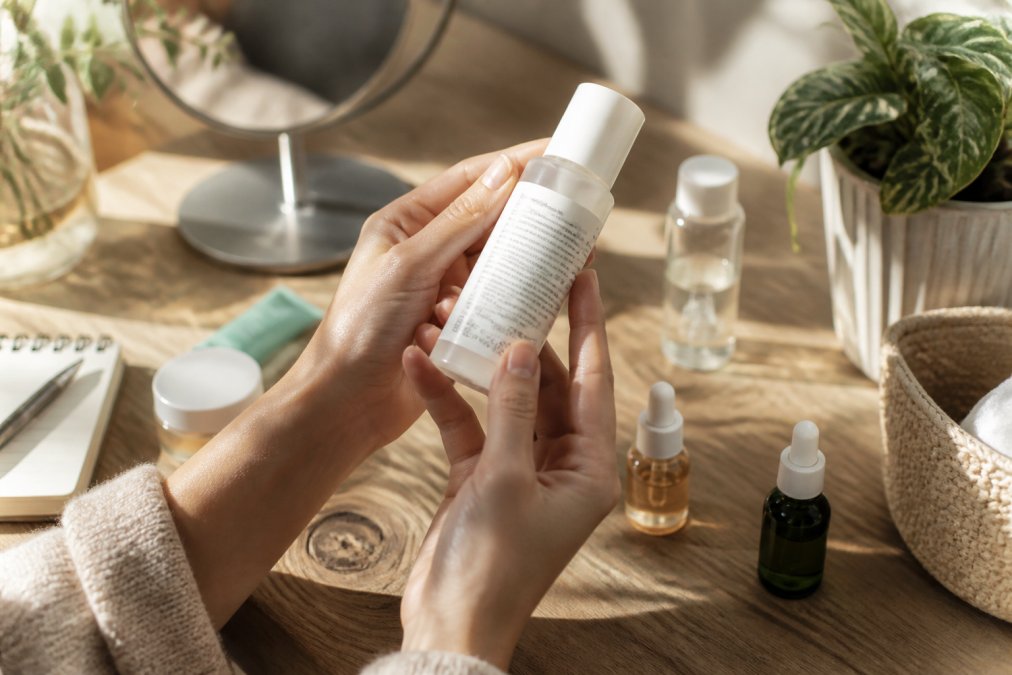
Verify cruelty-free status through third-party certifications like Leaping Bunny, PETA, or Choose Cruelty-Free, which require regular audits and ongoing compliance, rather than brand claims alone.
Third-Party Certifications That Matter
Leaping Bunny is the gold standard, requiring no animal testing on products, ingredients, or raw materials; no testing by suppliers or parent companies; and independent audits every two years.
PETA Certified maintains a searchable database and requires a commitment form covering the brand's entire supply chain.
Choose Cruelty-Free certifies brands primarily outside the United States with rigorous standards similar to Leaping Bunny.
Reading Labels for Ethical Claims
"Not tested on animals" addresses only the finished product, not ingredients or processes. "Clean beauty" and "natural" have no legal definition and don't guarantee ethical sourcing.
Scan ingredient lists for animal-derived components like snail mucin, bee venom, or collagen, cruelty-free when sourced ethically and clearly disclosed.
Check for transparency statements on the brand's website. If missing or vague, contact the brand directly before purchasing.
How to Independently Audit a Brand's Cruelty-Free Claims
Don't stop at certification logos, verify them yourself. Visit Leaping Bunny's brand directory and search for the brand by name. If it appears in their database with a current certification date, the claim is legitimate. Repeat this process with PETA's certified cruelty-free brand list to cross-reference.
Investigate parent company ownership by searching the brand name plus "parent company," then check certification databases. If the parent company isn't certified, ask the brand how they maintain testing independence.
Email the brand with specific questions about third-party labs, ingredient supplier certifications, and post-market testing methods. Brands committed to transparency respond within one week; delays or vague answers signal questionable claims.
For animal-derived ingredients like snail mucin or honey, ask the brand for farm names and sourcing practices. Ethical sources provide detailed documentation; refusal to explain suggests questionable sourcing.
Check certification databases quarterly, as certifications expire and require renewal. Brands may lose status after supplier or parent company changes.
Vegan Korean Skincare Brands vs. Cruelty-Free
Vegan products contain zero animal-derived ingredients; cruelty-free products may contain them but weren't tested on animals. A snail mucin serum can be cruelty-free but not vegan; a plant-based moisturizer can be vegan but tested on animals.
Prioritize cruelty-free certification if testing concerns you most; prioritize vegan if ingredient sourcing matters. Some brands achieve both certifications.
The Sweet Cheeks Soft Cheek Tint from Gotcha Girl Cosmetics demonstrates this overlap: it's PETA-certified cruelty-free and 100% vegan, making it ideal for consumers seeking both ethical standards. This buildable cream blush delivers a naturally rosy finish without compromise on ethics or performance.

Top Cruelty-Free K-Beauty Product Categories
Korean beauty excels at specific product types that have become globally beloved. Understanding which categories offer the strongest cruelty-free options helps you build an ethical routine without sacrificing efficacy or the glass skin aesthetic K-beauty promises.
Cruelty-Free Foundations & Cushions
Cushion foundations are a Korean beauty staple, and many brands now offer certified cruelty-free versions. The Natural Coverage Mesh Tight Up Cushion from Gotcha Girl Cosmetics ($54.99) features mesh-net technology for smooth, even application and delivers semi-matte radiance that lasts throughout the day. The lightweight formula works across all skin types.
Cushion foundations offer portability, buildable coverage, and natural finish with mesh technology that prevents over-application.
Demure Mineral Blush Powder – Bold →
Ethical Blush & Color Cosmetics
The Demure Mineral Blush Powder ($34.99) uses 100% pure crushed minerals with no talc, fillers, or fragrance, naturally water-resistant and buildable.

The Sweet Cheeks Soft Cheek Tint ($16.99) offers a cream blush alternative with PETA-certified cruelty-free status and 100% vegan ingredients. The doe-foot applicator ensures precise application, and the lightweight formula delivers a naturally flushed look without heaviness.
Clean Serums & Essences
The HydraGlow Hyaluronic Acid Facial Essence ($24.99) delivers intense hydration with Vitamin C and botanical extracts, absorbing instantly without greasy residue.
Hydrating Masks & Treatments
The GlowDrench Bio Collagen Face Mask ($29.85) delivers overnight hydration and pore-tightening with collagen and skin-brightening botanicals.
Moisturizers for Sensitive Skin
The Snail Mucin 97% Daily Face Moisturizer Cream ($42.99) soothes irritation and reduces redness while delivering intense hydration, working for dry, sensitive, or acne-prone skin.
Supply Chain Transparency & Verification
Ethical beauty extends to ingredient sourcing and worker treatment. Brands committed to cruelty-free status publish supply chain information, sourcing details, and manufacturing practices.
Look for brands that disclose suppliers, manufacturing locations, and ingredient origins. Some work directly with Korean botanical farms; others partner with Fair Trade or Rainforest Alliance-certified providers.
Request supply chain information directly if not publicly available. Legitimate brands welcome questions; deflection is a red flag.
Post-Market Testing & Regulatory Compliance
Post-market testing monitors safety after launch. Cruelty-free brands use consumer feedback systems, dermatological reviews, and non-animal laboratory testing instead of animal testing.
The FDA doesn't require pre-market animal testing, allowing brands to achieve cruelty-free status while meeting regulations. However, some markets still mandate animal testing, leading some global brands to maintain dual practices.
Why Brands Lose Cruelty-Free Certification
Certification loss commonly occurs when a cruelty-free brand is acquired by a corporation that tests on animals, unless the parent company maintains testing separation, a frequent occurrence in K-beauty.
Expansion into markets with mandatory animal testing also triggers loss. China historically required animal testing for imports; while it relaxed requirements in 2021, brands that tested during that period may retain the practice. Check if a brand sells in China and has publicly committed to cruelty-free testing across all markets.
Supplier changes trigger certification loss if new suppliers don't maintain cruelty-free practices.
Identifying Brands Navigating Gray Areas
Selective market presence. Avoiding China may indicate avoiding forced animal testing (positive), but selling in China without explaining how they handle regulatory requirements is a red flag.
How Cruelty-Free Brands Handle Post-Market Safety
Human volunteer studies. Dermatologists recruit volunteers for patch testing, providing direct human-relevant feedback.
Conclusion
Choosing cruelty-free K-beauty brands aligns your skincare routine with your values without sacrificing efficacy or the glass skin results you're seeking. Third-party certifications like Leaping Bunny and PETA provide reliable verification, while transparency in supply chain practices reveals genuine ethical commitment.
| Product | Price | Type | Key Benefit | Certification |
|---|---|---|---|---|
| Sweet Cheeks Soft Cheek Tint | $16.99 | Cream Blush | Buildable, vegan finish | PETA Certified |
| Demure Mineral Blush Powder | $34.99 | Powder Blush | 100% mineral, water-resistant | Cruelty-Free |
| HydraGlow Hyaluronic Acid Essence | $24.99 | Serum | 24-hour hydration with Vitamin C | Cruelty-Free |
| Snail Mucin 97% Moisturizer | $42.99 | Cream | Soothes sensitive skin | Cruelty-Free |
| Natural Coverage Mesh Cushion | $54.99 | Foundation | Semi-matte, buildable coverage | Cruelty-Free |
| GlowDrench Bio Collagen Mask | $29.85 | Sheet Mask | Overnight pore-tightening | Cruelty-Free |
Key Takeaways:

- Cruelty-free means no animal testing at any stage; it differs from vegan, which focuses on ingredient sourcing
- Third-party certifications like Leaping Bunny and PETA provide reliable verification of ethical claims
- Check parent company policies to avoid the "parent company loophole" where testing occurs elsewhere in a conglomerate
- Supply chain transparency and post-market testing practices reveal genuine ethical commitment
- K-beauty brands increasingly offer cruelty-free options across all product categories without sacrificing performance
- Leaping Bunny certification standards establish rigorous requirements for cruelty-free verification
- PETA's certified cruelty-free brand database provides searchable verification of ethical brands
- FDA cosmetic safety regulations clarify that pre-market animal testing is not required in the United States
Frequently Asked Questions
What Korean brands don't test on animals?
Many Korean beauty brands are cruelty-free, including those certified by Leaping Bunny or PETA. Gotcha Girl Cosmetics offers cruelty-free K-beauty products like the Sweet Cheeks Soft Cheek Tint (PETA-certified) and Snail Mucin 97% Daily Face Moisturizer Cream, both formulated without animal testing. Always check for third-party certifications on product labels to confirm a brand's cruelty-free status.
What is the difference between vegan and cruelty-free in K-beauty?
Cruelty-free means no animal testing occurred during product development or ingredient sourcing. Vegan means the product contains no animal-derived ingredients like beeswax, lanolin, or collagen. A product can be cruelty-free but not vegan, or vice versa. Gotcha Girl's Sweet Cheeks Soft Cheek Tint is both 100% vegan and PETA-certified cruelty-free, making it a fully ethical choice for conscious consumers.
How can I verify if a Korean skincare brand tests on animals?
Look for third-party certifications like Leaping Bunny, PETA, or Choose Cruelty-Free on packaging. Check the brand's official website for their animal testing policy statement. Contact the brand directly with questions about their supply chain and post-market testing practices to confirm their ethical standards.
Are there affordable cruelty-free Korean skincare options?
Yes. Gotcha Girl Cosmetics offers budget-friendly cruelty-free K-beauty products starting at $16.99 for the Sweet Cheeks Soft Cheek Tint and $24.99 for the HydraGlow Hyaluronic Acid Facial Essence. The Snail Mucin 97% Daily Face Moisturizer Cream costs $42.99 and delivers cruelty-free hydration. These options prove ethical skincare doesn't require premium pricing.