Table of Contents
- What Causes Dull Skin and Why It Matters
- Step 1: Exfoliate to Remove Dead Skin Cells
- Step 2: Apply Best Ingredients for Brightening Skin
- Step 3: How to Layer Skincare for Radiance
- Step 4: Hydrate and Repair Your Skin Barrier
- Step 5: Protect Skin with SPF Daily
- How Long Does It Take to Brighten Skin
- Lifestyle Habits That Support Brighter Skin
- Frequently Asked Questions
Last Updated: September 25, 2026
What Causes Dull Skin and Why It Matters
Dull skin happens when dead cells pile up on your surface. This blocks light and makes your complexion look flat and tired. The solution always starts with understanding what's actually happening beneath the surface.
When skin's natural 28-day cell cycle slows, dead cells trap oils and block moisture, causing your skin to lose its glow.
Common causes include insufficient exfoliation, dehydration, poor circulation, sun damage, hormonal changes, and sleep deprivation.
The good news: dull skin is fixable. Dull skin is fixable.
Step 1: Exfoliate to Remove Dead Skin Cells
Exfoliation is the foundation of brightening dull skin. It removes the dead layer, letting fresh skin show through.
Use a gentle exfoliating product 2-3 times per week. This is enough to remove buildup without irritating your skin. More frequent exfoliation can damage your skin barrier and cause redness.
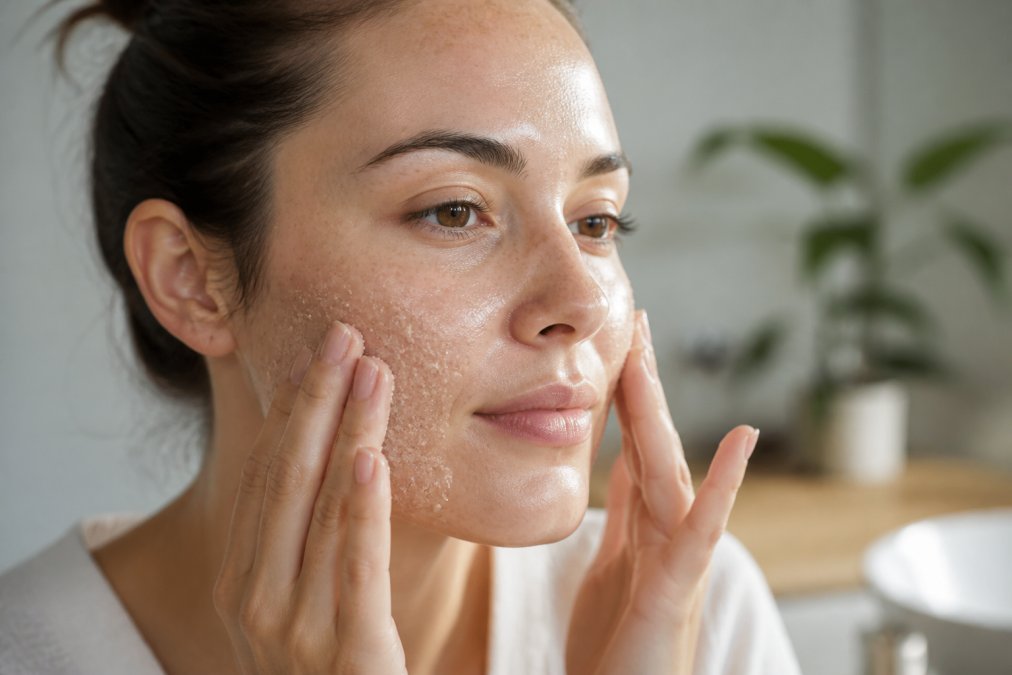
The 50G Exfoliating Gel & Whitening Moisturizer from Gotcha Girl Cosmetics does both jobs at once. It buffs away dead skin cells while delivering hydration and brightening ingredients. The lightweight formula works for all skin types and leaves your skin noticeably softer.

Apply it to damp skin using gentle circular motions. Focus on areas where dullness is worst: your forehead, cheeks, and chin. Rinse with lukewarm water. Pat dry.
Step 2: Apply Best Ingredients for Brightening Skin
After exfoliating, your skin absorbs brightening ingredients more effectively.
Brightening ingredients include:
Vitamin C, This antioxidant neutralizes free radicals, boosts collagen, and inhibits melanin to fade dark spots.
Tranexamic acid, This amino acid reduces inflammation and fades hyperpigmentation. The GlowFade™ TX Tranexamic Acid Cream from Gotcha Girl Cosmetics targets dark spots, freckles, and uneven tone while hydrating your skin.

Niacinamide, This B vitamin strengthens your skin barrier, reduces pore size, improves radiance, and regulates sebum.
Hyaluronic acid, This hydrator holds up to 1000 times its weight in water, plumping skin for a brighter appearance.
Peptides, These amino acid chains stimulate collagen production and improve skin elasticity for better light reflection.
Ferulic acid, This plant-based antioxidant enhances vitamin C's effectiveness.
Retinol and retinoids, These accelerate cell turnover and fade hyperpigmentation.
Ingredient Interactions: What NOT to Mix
Combining the wrong ingredients can reduce efficacy or trigger irritation:
- Vitamin C + Niacinamide: Can reduce efficacy.
- Vitamin C + Retinol: Combining them increases irritation risk.
- Retinol + AHAs/BHAs: Both increase cell turnover. Together, they can over-exfoliate and damage the skin barrier.
- Benzoyl peroxide + Vitamin C: Benzoyl peroxide can reduce the effectiveness of vitamin C.
- Niacinamide + Acids (AHA/BHA): High-dose niacinamide can buffer acid pH.
Skin-Type-Specific Ingredient Recommendations
For oily and acne-prone skin: Prioritize niacinamide, salicylic acid for exfoliation, and lightweight hyaluronic acid serums. Use tranexamic acid for post-inflammatory hyperpigmentation and retinol.
For dry and sensitive skin: Focus on hydration with hyaluronic acid and glycerin. Use peptides and ferulic acid. Start with retinol or bakuchiol. Layer with ceramides and the Tallow Honey Balm™ at night.
For combination skin: Apply niacinamide and lightweight serums to oily areas; richer moisturizers to dry areas. Exfoliate oily zones more frequently than dry zones.
For mature skin: Combine peptides with retinol for fine lines and dullness. Add ferulic acid to amplify vitamin C. Use hyaluronic acid under a nourishing moisturizer. Tranexamic acid fades age spots.
Application Order for Maximum Efficacy
Apply ingredients in order of consistency (thinnest to thickest) and pH sensitivity:
- Vitamin C serum (if using), apply to dry skin first
- Hydrating toners or essences
- Tranexamic acid or niacinamide serum
- Lightweight serums (peptides, hyaluronic acid)
- Moisturizer
- Occlusive (oil or balm), optional, for dry skin
Allow time between each step to allow absorption.
Step 3: How to Layer Skincare for Radiance
Layering products correctly ensures ingredients penetrate and work effectively.
Follow this sequence every morning and night:
-
Cleanse, Remove dirt, oil, and makeup with a gentle cleanser to prep skin for absorption.
-
Exfoliate (2-3 times per week), Use your exfoliating gel on damp skin. Rinse and pat dry.
-
Tone, A toner balances pH and preps skin to absorb serums.
-
Serum, Apply vitamin C or tranexamic acid serum to damp skin and wait 1-2 minutes for absorption.
-
Essence (optional), This lightweight hydrator adds hydration between serum and moisturizer.
-
Moisturizer, Lock in everything with a hydrating cream. The Tallow Honey Balm™ from Gotcha Girl Cosmetics combines organic grass-fed beef tallow and raw honey, rich in vitamins A, D, E, and K, for intense hydration and barrier support.

Tallow Honey Balm™ – Deep Moisture, Clean Ingredients, Glowing Skin -
SPF (morning only), Always finish with sunscreen to protect your brightening work.
Allow time between each step. This gives each product time to absorb. If you layer too fast, products sit on top of each other instead of sinking in.
Step 4: Hydrate and Repair Your Skin Barrier
Your skin barrier is a protective layer that keeps moisture in and irritants out. When it's damaged, your skin can't hold water. This makes it look dull, feel tight, and become reactive.
Hydrate from the outside:
- Use hydrating serums with hyaluronic acid or glycerin
- Apply moisturizer to damp skin (this seals in water)
- Use a hydrating mask 1-2 times per week
- Avoid hot water, which strips your skin's natural oils
Repair your barrier:
- Use products with ceramides to strengthen your protective layer
- Include niacinamide to reduce water loss
- Avoid over-exfoliation and high-alcohol products
- Use the Tallow Honey Balm™ at night to restore barrier function
Signs your barrier is damaged:
- Persistent redness or sensitivity
- Itching or stinging when you apply products
- Flaking or peeling
- Increased breakouts
- Tight, uncomfortable feeling
If you notice these signs, simplify your routine. Use only cleanser, moisturizer, and SPF for one week. This lets your barrier recover. Then slowly add products back in.
Step 5: Protect Skin with SPF Daily
Sun damage is the biggest cause of dull, aged skin. UV rays break down collagen, trigger dark spots, and create free radicals that damage skin cells.
Daily SPF prevents this damage before it starts.
Apply SPF 30 or higher every morning, even on cloudy days (the American Academy of Dermatology). UV rays penetrate clouds. Reapply every 2 hours if you're outside.
Apply SPF 30+ using a nickel-sized amount to damp skin before makeup. Let it dry 1-2 minutes before foundation. Don't skip ears, neck, and hands.
Without SPF, all your brightening work gets undone by the sun. This is non-negotiable.
How Long Does It Take to Brighten Skin
Most people see noticeable improvement in 4-6 weeks.
Here's what to expect on a realistic timeline:
| Timeline | What You'll See |
|---|---|
| Week 1-2 | Smoother texture, better glow from exfoliation |
| Week 3-4 | Dark spots start to fade slightly, skin looks more even |
| Week 5-8 | Significant brightening, improved radiance, visible glow |
| Week 9-12 | Dark spots fade more, skin tone evens out, lasting results |
Results depend on several factors:
Your starting point, Dead cell buildup shows fast results; sun damage or hyperpigmentation takes longer.
Consistency, Daily adherence is essential for best results.
Your skin type, Sensitive skin needs gentler products; oily skin responds faster to exfoliation.
Your age, Younger skin has faster cellular turnover.
Sun protection, Skipping SPF undoes brightening work.
Lifestyle Habits That Support Brighter Skin
Your skincare routine is only half the battle; lifestyle habits matter equally, especially for hormonal and age-related dullness.
Hormonal and Age-Related Dullness: Life-Stage Specific Strategies
Dullness often correlates with hormonal shifts. Generic advice misses these critical factors.
Frequently Asked Questions
What ingredients should I look for to brighten my skin?
The best ingredients for brightening skin include vitamin C (boosts radiance and reduces hyperpigmentation), tranexamic acid (fades dark spots and evens tone), niacinamide (improves skin texture and barrier function), and antioxidants like green tea extract (protects against environmental stressors). Exfoliating ingredients such as AHAs and BHAs remove dead skin cells that cause dullness. Look for products that combine these, like the Exfoliating Gel & Whitening Moisturizer, which buffs away dull surface cells while delivering brightening hydration for visible radiance.
How long does it take to brighten dull skin?
Most people notice visible improvement in skin radiance within 4-6 weeks of consistent use. However, results depend on your starting point and product potency. Gentle exfoliation and hydration show results faster (2-3 weeks), while brightening serums targeting hyperpigmentation may take 8-12 weeks for significant fading of dark spots. For best results, use your routine daily and give products at least 6 weeks before assessing effectiveness. Cellular turnover happens roughly every 28 days, so patience and consistency matter.
Can I brighten dull skin without expensive treatments?
Yes. A solid at-home routine costs far less than clinical treatments and delivers real results. Focus on three essentials: exfoliation (removes dead skin cells that cause dullness), a vitamin C or brightening serum (boosts radiance), and daily SPF (prevents new damage). Gotcha Girl's Exfoliating Gel & Whitening Moisturizer ($77.38) combines two steps, and the GlowFade™ TX Tranexamic Acid Cream ($257.90) targets stubborn dark spots. Budget-friendly brightening works when you stay consistent, most improvements come from routine discipline, not price tag.
What's the difference between dull skin and dry skin?
Dull skin lacks radiance and glow, it's often caused by dead skin cell buildup, dehydration, poor circulation, or environmental damage. Dry skin feels tight and flaky because it's missing moisture. You can have both at once. Dullness requires exfoliation and brightening ingredients to restore luminosity; dryness requires hydration and moisture barriers. If your skin feels tight and looks gray, address both: exfoliate gently 2-3 times weekly, then layer hydrating toners and moisturizers to lock in moisture and restore skin elasticity and glow.