Table of Contents
- Why Your Concealer Creases Under Your Eyes
- How to Prep Skin for Concealer
- How to Layer Skincare Correctly Before Makeup
- Choosing the Right Concealer Formula
- Proper Application Techniques to Prevent Creasing
- The Role of Setting Powder and Best Setting Powder for Under Eyes
- Common Mistakes That Cause Concealer Creasing
- Frequently Asked Questions
Last Updated: October 2, 2026
Why Your Concealer Creases Under Your Eyes
Concealer creasing under your eyes happens for one simple reason: the under-eye area moves constantly. Every blink, smile, and facial expression stretches the thin, delicate skin there. When your concealer can't move with your skin, it bunches up and settles into fine lines.

The under-eye area is different from the rest of your face. The skin is thinner, more prone to dryness, and it has fewer oil glands. This means concealer sits on top of the skin instead of blending smoothly. Without the right prep work and application technique, creasing is almost inevitable.
The fix isn't complicated. It comes down to three things: hydration, the right product formula, and proper application. Get these three elements right, and you'll stop seeing creases by the end of the day.
How to Prep Skin for Concealer
Your skin prep determines whether concealer creases or stays put all day. Start with a clean, moisturized face. Wash gently with lukewarm water and pat dry. Don't rub your skin dry, patting is gentler on the delicate under-eye area.
The Importance of Skin Hydration
Hydrated skin is plump and flexible. It moves naturally without showing product separation. Dry skin, by contrast, has cracks and fine lines where concealer settles and creases.
Apply an eye cream to the under-eye area first. Let it absorb for a minute or two before moving on. Eye cream creates a moisture barrier that keeps your concealer from drying out throughout the day. This single step makes a massive difference in how long your concealer lasts without creasing.
Look for eye creams with emollient ingredients. These soften and smooth the skin. They help your concealer glide on and blend without clinging to dry patches.
Using a Makeup Primer
A primer creates a smooth base for concealer. It fills in fine lines and pores, giving concealer a flat surface to sit on. Without a primer, concealer sinks into every line and crevice.
The Gotcha Girl Cosmetics Matte Makeup Primer is designed specifically for this. It minimizes pores and controls oil, which means your concealer won't slip around or separate as the day goes on. Apply a small amount to the under-eye area and let it set for 30 seconds before applying concealer.
Primer also extends the longevity of your concealer. Your makeup stays put longer, and you get fewer touch-ups throughout the day.
How to Layer Skincare Correctly Before Makeup
The order matters, but so does your skin age and elasticity level. Layering strategy should change based on whether your skin is losing firmness or is prone to excess oil.
For Mature Skin (Loss of Elasticity)
Mature skin has reduced collagen and elasticity, which means the under-eye area is thinner and more prone to visible creasing. Your layering strategy needs to prioritize hydration depth and extended absorption time.
Start with your cleanser, then toner if you use one. Next, apply any serums or treatments. Then comes eye cream, but don't rush. Apply a richer, more emollient eye cream (look for ingredients like peptides, retinol, or hyaluronic acid) and wait a full 2-3 minutes for it to absorb. This extended wait time allows the product to plump the skin and restore some elasticity before concealer goes on top. Skipping this wait on mature skin almost guarantees creasing because the concealer will sit on dehydrated, less flexible tissue.
After eye cream, apply your moisturizer to the rest of your face. The under-eye area already has eye cream, so skip it there. Finally, apply primer. Primer goes on last, right before concealer. For mature skin, choose a hydrating primer rather than a matte one, matte primers can emphasize fine lines and actually increase creasing visibility.
For Younger or Oily Skin (Excess Oil and Movement)
Younger skin with active oil production creases differently: not from dryness, but from product buildup and slippage. Your layering needs to be lighter and faster.
Start with cleanser, then toner. Apply any lightweight serums. For eye cream, use a gel-based or lightweight formula (avoid heavy creams) and wait only 30-45 seconds before moving on. Younger skin absorbs products faster and doesn't need extended wait times. Waiting too long can actually cause excess product to sit on the surface, which increases creasing when you blink.
Apply a lightweight moisturizer or skip it entirely under the eyes if your skin is very oily. Then apply a matte or pore-minimizing primer to control oil and create a stable base for concealer. This prevents the slippage that causes creasing in oily skin.
20ml Matte Makeup Primer for Pore Minimization and Oil Control, Suitable →
General Layering Principle
Apply products from thinnest to thickest texture. This lets each layer absorb properly without trapping moisture underneath. A common mistake is applying too many products at once. Your skin can only absorb so much. Extra product just sits on top and causes concealer to separate and crease. Less is more. Use small amounts and wait between layers, but adjust your wait time based on your skin's absorption speed and age.
Choosing the Right Concealer Formula
Not all concealers are created equal. The formula you choose directly affects how much your concealer creases, and understanding the chemistry behind product separation is key to preventing it.
Water-Based vs. Silicone-Based Formulas and Ingredient Compatibility
Water-based concealers are lighter and feel less heavy on the skin. They blend easily and don't settle into fine lines as much. They work well for people with dry or sensitive skin because they don't feel drying.
Silicone-based concealers offer better coverage and longevity. They stick to the skin and don't move around as much. But they can feel heavier and may crease if not applied correctly. Silicone-based formulas work best when you're using a good primer and setting powder.

The critical issue most guides skip: mixing water-based and silicone-based products causes separation. If you apply a water-based eye cream under a silicone-based concealer, the two products don't bond.
To prevent this, match your product families:
- Water-based system: Water-based eye cream + water-based primer + water-based concealer. These products have compatible molecular structures and blend into a cohesive layer.
- Silicone-based system: Silicone eye cream or silicone-infused moisturizer + silicone primer + silicone concealer. This combination creates a stable base that moves with your skin without separation.
Coverage Level and Skin Type Match
Full coverage concealers are thicker and heavier. They provide excellent coverage but are more likely to crease if not applied carefully. Sheer or buildable coverage concealers are lighter. They blend seamlessly and crease less, but you may need multiple layers for full coverage.
Proper Application Techniques to Prevent Creasing
How you apply concealer matters as much as which concealer you choose. The right technique keeps product from bunching up and creasing.
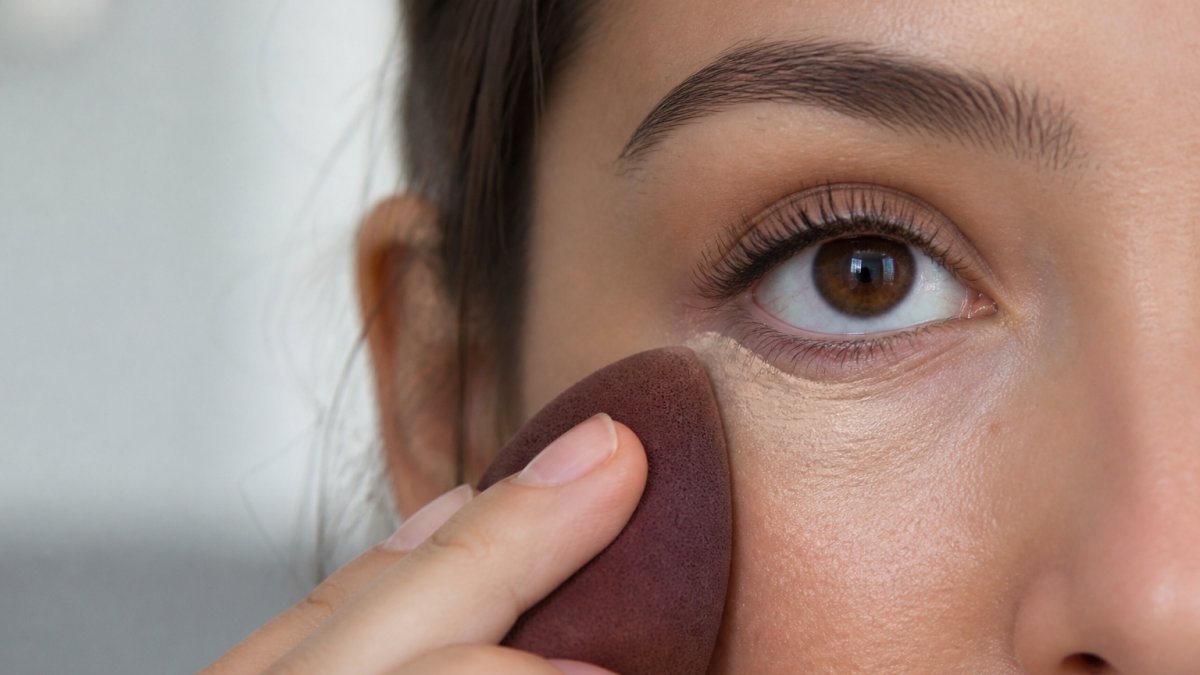
The Patting Motion and Blending Method
Never drag concealer across your skin. Dragging pushes product into fine lines and creates buildup. Instead, use a patting motion.
Avoiding Over-Application
Less concealer means less creasing. A tiny amount goes a long way on the under-eye area.
The Role of Setting Powder and Best Setting Powder for Under Eyes
Setting powder locks everything in place. It keeps concealer from moving, creasing, and separating throughout the day.
Translucent Powder vs. Tinted Options
Translucent powder works on all skin tones. It sets makeup without adding color or coverage. Use a light hand. Too much powder looks chalky and actually emphasizes fine lines instead of hiding them.
Baking Technique for Long-Lasting Wear
Baking is a technique where you apply powder, let it sit for a few minutes, then brush it off. This locks in moisture and sets makeup for hours.
Common Mistakes That Cause Concealer Creasing
Most people make the same mistakes over and over. Recognizing these errors is the first step to fixing them.
Frequently Asked Questions
How do I stop concealer from creasing under my eyes?
Concealer creasing happens when you layer too much product, skip primer, or use a formula incompatible with your skin type. Start with a hydrating eye cream, apply a makeup primer suited to your skin, use a lightweight concealer formula, and set with translucent powder. Apply concealer in thin layers using a patting motion rather than rubbing, and avoid the innermost corner where movement causes the most creasing.
Does setting powder really prevent concealer from creasing?
Yes, setting powder is essential for preventing concealer creasing. A translucent or tinted setting powder locks the concealer in place and absorbs excess moisture that causes separation. The key is using the right amount, too much powder can actually cause caking and creasing. Apply a light layer with a damp sponge or fluffy brush, and consider the baking technique for extra longevity under the eyes.
How much concealer should I apply to avoid creasing?
Less is more when it comes to concealer. Start with a small amount about the size of a grain of rice and build coverage with thin layers if needed. The under-eye area moves constantly, so excess product has nowhere to go except into fine lines and creases. Blend each layer thoroughly before adding more, and remember that primer and setting powder do much of the work, concealer alone cannot carry full coverage without creasing.
What's the best way to prep skin for concealer to prevent creasing?
Proper skin prep is the foundation for crease-free concealer. Apply an eye cream or hydrating serum to create a moisture barrier, wait 30 seconds for it to set, then apply a matte makeup primer designed for the under-eye area. The primer creates a smooth surface that helps concealer adhere without settling into fine lines. For best results, use a primer suitable for your skin type, oily skin benefits from oil-control primers, while dry skin needs a hydrating base.