Table of Contents
- Clean Beauty Ingredients to Avoid: What You Need to Know
- Parabens, Phthalates, and Fragrance: The Preservation Problem
- Sulfates, Formaldehyde, and Petroleum Derivatives
- Chemical Sunscreen Filters and Skin Irritants
- Makeup Ingredients to Avoid: Beyond the Basics
- Ingredients to Avoid in Pregnancy Skincare
- How to Read Cosmetic Ingredient Labels and Use a Clean Beauty Ingredient Checker
- Building Your Clean Beauty Routine: Evidence and Practical Alternatives
- Frequently Asked Questions
Last Updated: October 11, 2026
Clean Beauty Ingredients to Avoid: What You Need to Know
Ingredient lists overwhelm shoppers with unfamiliar chemical names and conflicting advice. At Gotcha Girl Cosmetics, we believe you deserve to understand what goes on your skin. Not every ingredient labeled "toxic" carries equal risk, and not every natural ingredient is harmless. What matters is understanding which clean beauty ingredients to avoid based on real concerns, and which ones are fine in the concentrations used in cosmetics.
This guide breaks down commonly flagged ingredients, explains why people avoid them, and shows you how to read labels for informed choices.
| Ingredient Category | Common Names | Primary Concern | Where Found |
|---|---|---|---|
| Parabens | Methylparaben, propylparaben | Preservative concerns | Lotions, creams, makeup |
| Phthalates | Often hidden in "fragrance" | Endocrine disruption concerns | Fragranced products |
| Sulfates | SLS, SLES | Skin irritation potential | Cleansers, shampoos |
| Formaldehyde releasers | DMDM hydantoin, imidazolidinyl urea | Preservative concerns | Skincare, makeup |
| Mineral oil & petroleum derivatives | Paraffin, petrolatum | Occlusive vs. natural debate | Moisturizers, lip balms |
| Chemical sunscreens | Benzophenone, homosalate | Absorption concerns | Sunscreens |
Parabens, Phthalates, and Fragrance: The Preservation Problem
Preservatives prevent bacterial contamination, but parabens, phthalates, and synthetic fragrance have become lightning rods in clean beauty. Understanding the science helps you decide if they belong in your routine.
Why Parabens Matter
Parabens are preservatives used in thousands of products. Concerns stem from studies suggesting they can mimic estrogen, but cosmetics contain them in very small amounts (typically under 1%), and the body metabolizes them quickly.
Many consumers choose paraben-free products for peace of mind. If you want to avoid them, look for "paraben-free" labels. The Demure Mineral Blush Powder from Gotcha Girl Cosmetics uses 100% pure crushed minerals with no synthetic preservatives.

Phthalates and Hidden Fragrance Chemicals
Phthalates make fragrances stick to skin longer but aren't listed by name, manufacturers hide them under "fragrance" or "parfum."
This lack of transparency is why clean beauty advocates avoid "fragrance" altogether. Phthalates have been linked to reproductive concerns in animal studies (pubmed.ncbi.nlm.nih.gov). If you're pregnant or concerned about endocrine disruptors, fragrance-free products eliminate uncertainty.
Look for "fragrance-free" or "unscented" labels. If a product smells pleasant but says fragrance-free, it uses essential oils instead. The Sweet Cheeks Soft Cheek Tint from Gotcha Girl Cosmetics delivers a naturally rosy finish without synthetic fragrance.
Sulfates, Formaldehyde, and Petroleum Derivatives
These three ingredient categories represent different concerns: skin irritation, preservative safety, and the natural-versus-synthetic debate. Each deserves a closer look.
Sulfates: SLS, SLES, and Skin Irritation
SLS and SLES are surfactants that create lather and remove oil and dirt, but they can strip natural oils and cause irritation, especially for sensitive skin.
Irritation is dose-dependent. If you have eczema, rosacea, or reactive skin, sulfate-free cleansers often feel gentler. Those with oily skin may tolerate sulfates fine.
Sulfates aren't "toxic" and appear in many dermatologist-recommended products. The question is whether they're right for your skin. If you experience tightness, redness, or dryness after cleansing, try a sulfate-free formula.
Formaldehyde Releasers and Mineral Oil
Formaldehyde releasers slowly release tiny amounts of formaldehyde to prevent microbial growth. Common names include DMDM hydantoin and imidazolidinyl urea. Formaldehyde is a known irritant and allergen, so even small releases concern some consumers.
Exposure is minimal in rinse-off products but higher in leave-on products. If you have formaldehyde sensitivity, avoid these releasers. For most people, concentrations are too low to cause problems.
Mineral oil and petrolatum are occlusive ingredients that seal moisture into skin. They're not harmful, but some prefer plant-based oils for philosophical or allergic reasons. Mineral oil is inexpensive and non-comedogenic, ideal for sensitive skin, it's a choice between synthetic and natural moisturizers.
Chemical Sunscreen Filters and Skin Irritants
Chemical sunscreens absorb UV rays and convert them to heat. Ingredients like benzophenone and homosalate work effectively but absorb into the bloodstream, raising systemic safety questions.
Chemical sunscreen ingredients reach the bloodstream after topical application, though health risks remain under investigation. The FDA approves them as safe, but some prefer mineral sunscreens using zinc oxide or titanium dioxide, which reflect UV rays from the skin's surface.
Mineral sunscreens are a straightforward alternative if you're concerned about absorption. They're less likely to irritate sensitive skin and don't absorb systemically, though they can leave a white cast on darker skin tones.
Makeup Ingredients to Avoid: Beyond the Basics
Makeup sits on your skin all day, so ingredient concerns feel urgent. Beyond parabens and fragrance, watch for talc, color pigments, and methylisothiazolinone (MIT).
Talc has been linked to ovarian cancer in some studies, though evidence remains contested. Talc-free powders are easy to find. The Demure Mineral Blush Powder uses 100% crushed minerals instead.
Color pigments like FD&C dyes are safe in cosmetics, but sensitive skin may react. If you experience redness or itching, try products with fewer dyes or mineral-based options.
Methylisothiazolinone (MIT) is a preservative increasingly flagged for contact dermatitis in foundations, concealers, and primers. Check the INCI list if you have reactive skin.
Ingredients to Avoid in Pregnancy Skincare
Pregnancy changes skin sensitivity dramatically. Some ingredients safe for general use warrant caution during pregnancy due to limited safety data or theoretical concerns about fetal exposure.
Retinoids (vitamin A derivatives) are most commonly flagged. High-dose retinoids are linked to birth defects, so dermatologists recommend avoiding them during pregnancy. Lower cosmetic concentrations are low-risk, but many pregnant women skip them for peace of mind.
Salicylic acid and benzoyl peroxide are acne fighters with mixed guidance. Salicylic acid in low concentrations (under 2%) is considered acceptable by many providers, but some recommend avoiding it.
Demure Mineral Blush Powder – Bold Berry | Natural, Cruelty-Free →
Chemical sunscreens (discussed above) have raised concerns due to systemic absorption. Mineral sunscreens are the safer default during pregnancy.
Hydroquinone (a skin-lightening agent) should be avoided during pregnancy due to high systemic absorption.
Phthalates and fragrance (covered earlier) carry theoretical endocrine concerns, making fragrance-free products the safer choice.
The Tallow Honey Balm from Gotcha Girl Cosmetics is safe for all ages and skin types, including pregnancy, as it contains only organic grass-fed beef tallow and raw honey, no synthetic preservatives or questionable additives.

How to Read Cosmetic Ingredient Labels and Use a Clean Beauty Ingredient Checker
Understanding labels is the first step to avoiding ingredients you don't want. Cosmetic ingredient lists follow strict rules that make them easier to decode once you know what to look for.
Reading INCI Names and Label Order
Ingredients are listed in descending order by weight, with the first five typically making up the bulk of the formula. Preservatives and active ingredients appear near the end because they're used in small amounts. This order is crucial: an ingredient listed last contributes minimally to the formula, even if it sounds concerning.
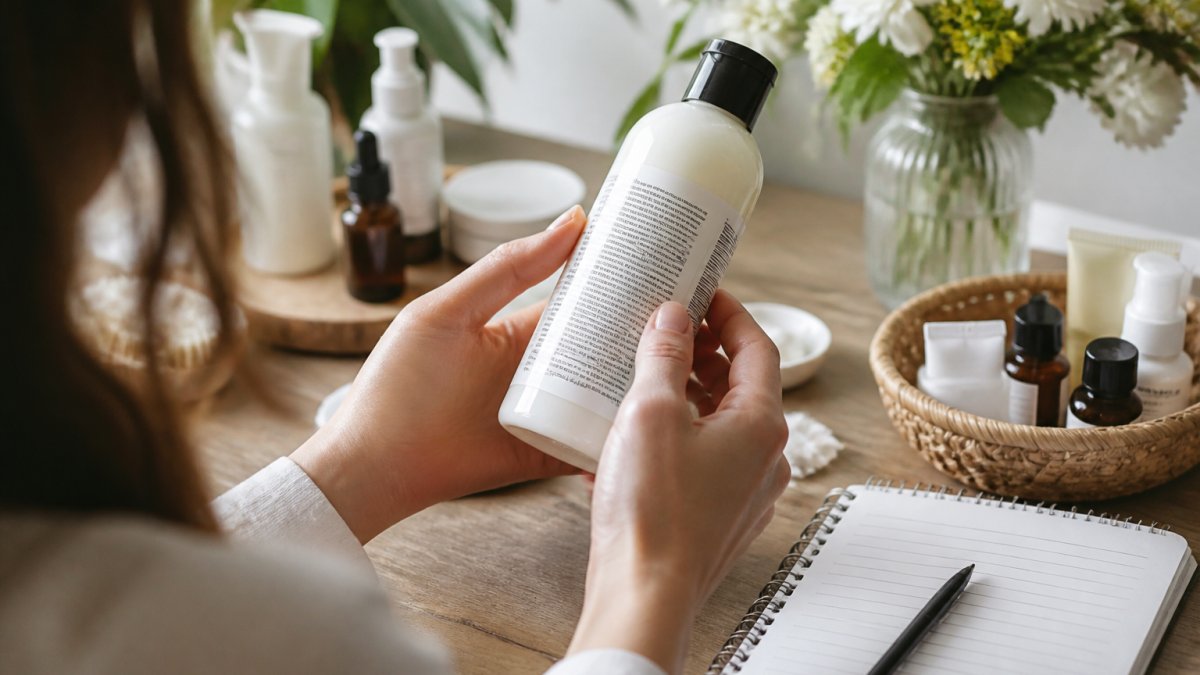
The INCI name is the standardized chemical name, different from marketing names. For example, "vitamin C" might be listed as "ascorbic acid" or "sodium ascorbyl phosphate" on the INCI list. Learning a few key INCI names helps you identify ingredients you want to avoid:
- Parabens: methylparaben, propylparaben, butylparaben, ethylparaben
- Sulfates: sodium lauryl sulfate (SLS), sodium laureth sulfate (SLES)
- Formaldehyde releasers: DMDM hydantoin, imidazolidinyl urea, diazolidinyl urea
- Phthalates: hidden under "fragrance" or "parfum"
- Mineral oil: paraffin, petrolatum, paraffin wax
Start by checking the first five ingredients, these make up most of the product. Then scan the end of the list for preservatives and additives you want to avoid.
Using a Clean Beauty Ingredient Checker
If decoding INCI names feels overwhelming, clean beauty ingredient checkers simplify the process. These tools let you paste an ingredient list and flag items based on your preferences. You can set filters for parabens, sulfates, fragrance, or any ingredient you want to avoid.
Many of these checkers also provide safety ratings and explain why certain ingredients are flagged. This helps you distinguish between ingredients with real concerns and those flagged purely for marketing reasons.
When using a checker, remember that flagging doesn't mean "avoid at all costs." It means "this ingredient has a concern some people care about." A paraben-flagged product might still be perfectly safe for you. The tool is a starting point, not a verdict.
Building Your Clean Beauty Routine: Evidence and Practical Alternatives
A truly clean beauty routine balances ingredient awareness with realistic expectations. You don't need to eliminate every flagged ingredient to have healthy skin.
For sensitive skin: Focus on fragrance-free, sulfate-free, and paraben-free products. The Sweet Cheeks Soft Cheek Tint is 100% vegan, cruelty-free, and free of synthetic fragrance, making it ideal for reactive skin.

For pregnancy: Swap chemical sunscreens for mineral ones, avoid retinoids and high-dose actives, and choose fragrance-free products.
For general clean beauty: Start by reading labels and identifying your non-negotiables. If parabens concern you, choose paraben-free.
The most important step is consistency. A simple routine with ingredients you trust beats a complicated routine with products you're unsure about.
Many consumers find that switching to cleaner formulas improves their skin simply because they're paying more attention to what they use. That mindfulness matters.
Start with one or two swaps. If you have sensitive skin, try a sulfate-free cleanser. If fragrance bothers you, switch to fragrance-free moisturizers. Notice how your skin responds.
Understanding clean beauty ingredients to avoid puts you in control of your skincare choices. You don't need to memorize every chemical name or follow every trend.
Frequently Asked Questions
What are the most harmful clean beauty ingredients to avoid?
The most commonly flagged ingredients include parabens (methylparaben, propylparaben), phthalates hidden under 'fragrance' or 'parfum,' sulfates (SLS and SLES), formaldehyde releasers, mineral oil, and chemical sunscreen filters like benzophenone. However, risk depends on concentration and frequency of use. Many of these ingredients are used at levels considered safe by regulatory agencies, but if you prefer to avoid them, read the INCI list carefully and choose products labeled paraben-free, phthalate-free, and sulfate-free.
Are parabens harmful in beauty products?
Parabens are preservatives that prevent bacterial and fungal growth in cosmetics. While regulatory bodies have determined them safe at typical use levels, some consumers prefer to avoid them due to concerns about hormone disruption from long-term exposure. If you're concerned, look for paraben-free alternatives on product labels. Many clean beauty brands, including Gotcha Girl Cosmetics' mineral and natural formulas, skip parabens entirely in favor of alternative preservation systems.
What skincare ingredients should I avoid during pregnancy?
During pregnancy, avoid retinoids (vitamin A derivatives), salicylic acid at high concentrations, benzoyl peroxide, hydroquinone, and formaldehyde-releasing preservatives. Fragrance sensitivity often increases during pregnancy, so fragrance-free or naturally scented products are safer. Consult your doctor before introducing new skincare, but gentle, minimal-ingredient options like the Tallow Honey Balm work well for pregnant skin because they contain only natural, nourishing ingredients without synthetic chemicals.
How can I check the ingredients in a beauty product?
Start by reading the INCI (International Nomenclature of Cosmetic Ingredients) list on the product label. Ingredients are listed in descending order by concentration, so the first five typically make up the bulk of the formula. Use a clean beauty ingredient checker app or website to cross-reference unfamiliar chemical names. Look for certifications like cruelty-free, vegan, or natural on packaging. For makeup, check if the product contains talc, synthetic dyes, or fragrance. Gotcha Girl Cosmetics products display full ingredient transparency on each product page.
What does fragrance-free mean on a skincare label?
Fragrance-free means no added fragrance or parfum has been intentionally mixed into the product. However, some ingredients naturally smell, so truly scent-free products are rare. Unscented products may contain fragrance masking agents that neutralize smell. If you have sensitive skin or are pregnant, look for fragrance-free labels and check the INCI list to confirm 'fragrance' or 'parfum' is absent. The Aveeno Sheer Hydration lotion, for example, is fragrance-free and formulated to minimize irritation for sensitive skin.